Introduction
You’d think choosing a water pump for your house would be straightforward. It’s not.
Walk into any pump supplier in Riyadh or Jeddah, and you’ll get bombarded with technical terms,booster pumps, pressure tanks, VFDs, single-stage, multi-stage, self-priming… It’s enough to make you just point at something and hope it works.
I’ve watched homeowners make expensive mistakes this way. Not because they’re careless, but because nobody explained what they actually needed in plain language.
So let’s fix that.
This isn’t a technical manual. This is what you actually need to know about water pumps for houses in Saudi Arabia, the types, the costs, the common problems, and how to avoid getting sold the wrong equipment.
Why Saudi Homes Need Water Pumps (And Which Type You Need)
Here’s the reality: most homes in Saudi Arabia need some form of water pump. The question is which type.
Scenario 1: You Have Municipal Supply But Weak Pressure
You’re connected to the city water network. Ground floor works fine. But upstairs? The shower is a sad trickle. Kitchen tap takes forever to fill a pot.
What’s happening: Municipal supply provides decent pressure at street level (usually 2-3 bar), but by the time water climbs two or three floors, gravity and friction have eaten most of that pressure.
What you need: Booster pump system
This is the most common situation in multi-story homes across Riyadh, Jeddah, and other Saudi cities.
Scenario 2: You Have a Rooftop or Ground Storage Tank
Many Saudi homes use a storage tank system, either on the roof or at ground level. Municipal water fills the tank, and gravity (for rooftop tanks) or a pump (for ground tanks) distributes water throughout the house.
If your tank is on the roof: Gravity might give you adequate pressure for ground and first floors, but probably not for showers or appliances that need pressure.
If your tank is at ground level: You absolutely need a pump to move water throughout the house.
What you need: Centrifugal pressure pump with automatic control
Scenario 3: You Have a Private Well or Borehole
Some homes, especially in developing areas or compounds, rely on groundwater rather than municipal supply.
What you need: Submersible well pump (if the well is deep) or a surface pump (if it’s shallow)
Scenario 4: You Need Backup During Supply Interruptions
Even with municipal supply, water cuts happen. Having a backup tank with a pump ensures you’re not left without water.
What you need: Combination system, storage tank plus automatic booster pump
Types of Water Pumps for Houses
Let’s break down the types you’ll actually encounter when shopping for water pumps for home use.
1. Booster Pumps (Pressure Pumps)
What they do: Take the existing municipal water supply and increase its pressure.
When you need them:
- Upper floors have weak water pressure
- Washing machine won’t fill properly
- Instant water heaters need more pressure to work
- Garden irrigation needs stronger flow
How they work: They sit inline on your water pipe (usually in the garage or basement) and automatically kick in when pressure drops below a set point.
Cost range: 1,500 – 8,000 SAR depending on capacity and features
Real example: A three-story villa in Riyadh’s Al Malqa district had great pressure on the ground floor but barely any on the third floor. A 0.75 kW automatic booster pump solved it completely. Cost: 3,200 SAR installed.
See booster pump options →
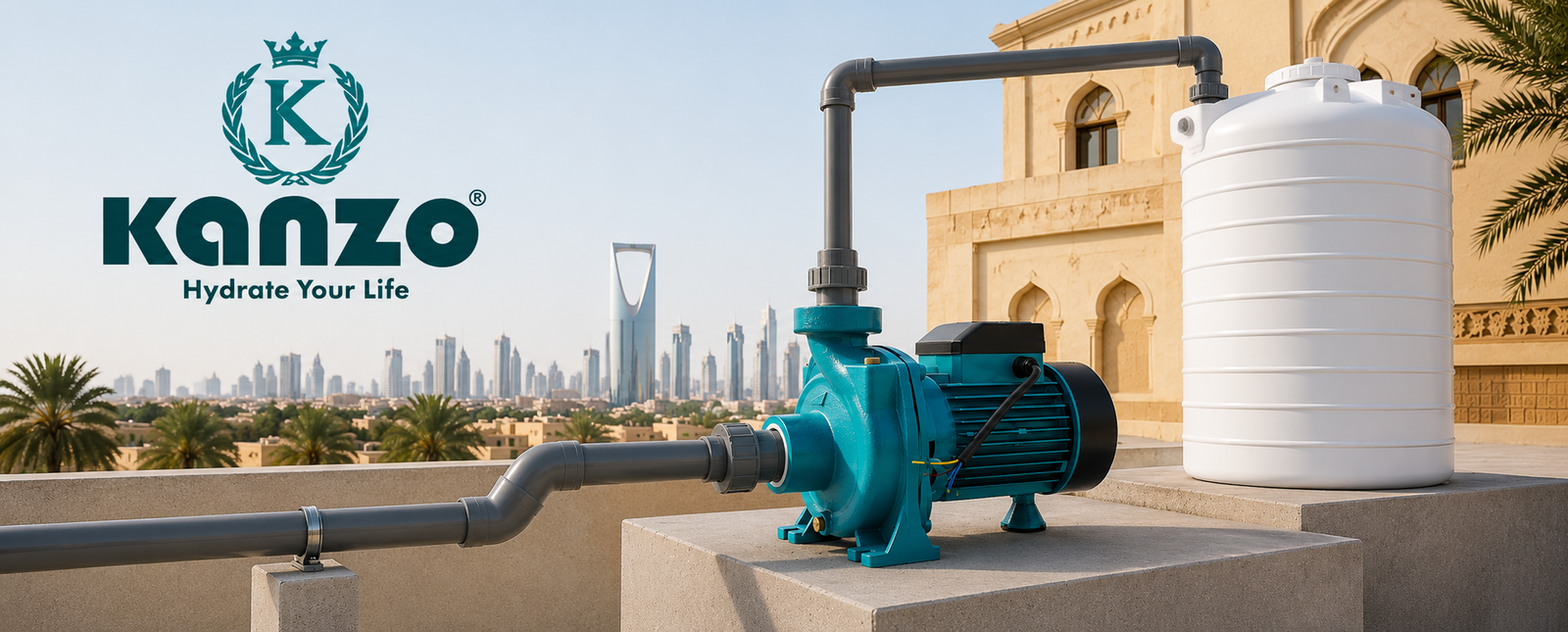
2. Centrifugal Pressure Pumps
What they do: Pull water from a storage tank (ground or roof) and distribute it throughout your home at consistent pressure.
When you need them:
- You have a ground-level storage tank
- You need to pump water to multiple floors
- You want consistent pressure at all fixtures
How they work: Usually installed near the storage tank with automatic on/off control based on pressure or water demand.
Cost range: 1,200 – 6,500 SAR depending on size and quality
Real example: A compound villa in Dhahran with a 5,000-liter ground tank needed reliable water distribution. A 1 HP centrifugal pump with pressure switch handles the entire house. Cost: 2,800 SAR.
Browse centrifugal pumps for homes →
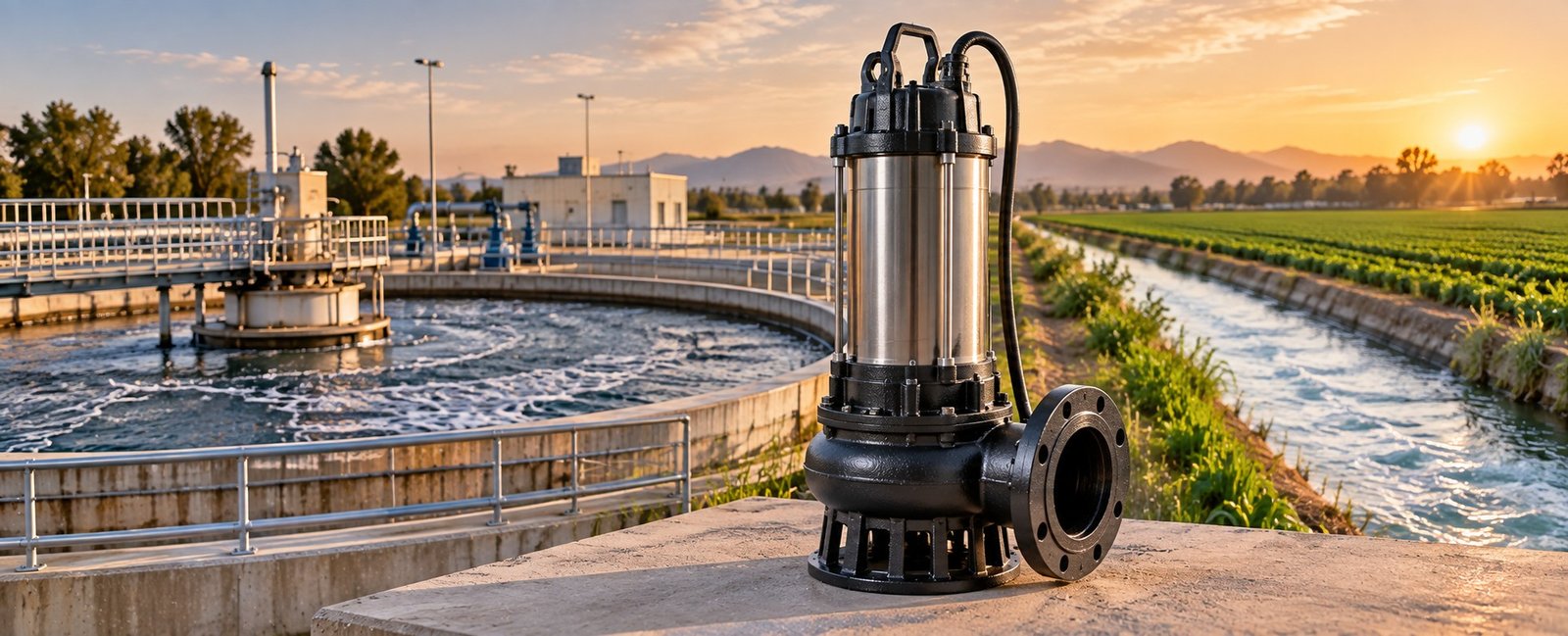
3. Submersible Well Pumps
What they do: Sit down inside your well or borehole and push water up to your home.
When you need them:
- Your home uses well water (no municipal supply)
- Water level is more than 7-8 meters deep
- You need reliable groundwater extraction
How they work: The entire pump sits underwater in the well, connected to electrical and water lines that come up to the surface.
Cost range: 2,500 – 15,000 SAR depending on depth and capacity requirements
Important: Well depth and water quality in your area determine which submersible pump you need. A pump that works in Riyadh’s groundwater might not be suitable for Jeddah’s conditions.
Find submersible pumps by depth and capacity →
4. Surface/Jet Pumps
What they do: Sit above ground and pull water from shallow wells, tanks, or surface sources.
When you need them:
- Water source is less than 7 meters deep
- You need garden irrigation from a storage tank
- Simple transfer between tanks
How they work: Create suction to pull water up, then push it through your system.
Cost range: 800 – 3,500 SAR
Limitation: Can’t handle deep sources. If your well is 15 meters deep, a surface pump won’t work—you need a submersible.
5. Solar Water Pumps
What they do: Run entirely on solar power, no electricity bills, no generator needed during power cuts.
When you need them:
- Remote locations without reliable electricity
- You want to reduce energy costs
- Environmental considerations matter to you
How they work: Solar panels generate DC power that runs the pump motor directly or charges batteries for night/cloudy day operation.
Cost range: 5,000 – 25,000 SAR depending on capacity and solar array size
Payback period: Typically 3-5 years through electricity savings, faster if you’re currently using a diesel generator.
Growing in popularity across Saudi Arabia as solar technology improves and electricity costs rise.
What Size Water Pump Does Your House Actually Need?
This is where most people get it wrong.
Bigger isn’t always better. An oversized pump wastes electricity and wears out faster from constant cycling. An undersized pump leaves you frustrated with weak water flow.
Here’s how to figure out what you actually need:
Step 1: Count Your Water Fixtures
List everything that uses water simultaneously during peak usage:
- Bathrooms (shower, sink, toilet)
- Kitchen sink
- Washing machine
- Dishwasher
- Garden taps
- Any other fixtures
Example: Typical 3-bedroom Saudi villa might have:
- 3 bathrooms = 9 fixtures (3 showers, 3 sinks, 3 toilets)
- 1 kitchen = 2 fixtures
- 1 washing machine
- 2 garden taps
- Total: 14 fixtures
Step 2: Calculate Peak Flow Rate
Not everything runs at once, but you need to account for realistic peak usage.
Rule of thumb:
- Small home (1-2 bedrooms): 40-60 liters per minute
- Medium home (3-4 bedrooms): 60-100 liters per minute
- Large home (5+ bedrooms): 100-150+ liters per minute
Step 3: Determine Required Pressure
Minimum pressure needs:
- Basic fixtures: 1.5 – 2 bar
- Good shower performance: 2.5 – 3 bar
- Instant water heaters: 3 – 4 bar
- Upper floors: Add 0.5 bar per floor above ground
Example: A three-story home with instant heaters needs a minimum 4.5 – 5 bar at the pump.
Step 4: Match to Pump Specifications
Pumps are rated by:
- Flow rate: Liters per minute (LPM) or cubic meters per hour (m³/h)
- Head: Maximum pressure in meters or bar
Translation:
- 10 meters of head = approximately 1 bar of pressure
- 60 LPM = 3.6 m³/h
For our 3-bedroom villa example:
- Flow needed: 80 LPM (4.8 m³/h)
- Pressure needed: 5 bar (50 meters head)
Suitable pump: 1 – 1.5 HP centrifugal pump with 50-60 meter head rating
Don’t Guess ,Get Professional Sizing
Honestly? The calculations above are simplified. Pipe diameter, length of water lines, elevation changes, and simultaneous usage patterns all affect what you actually need.
Kanzotech Pumps offers free technical consultations for homeowners. We’ll assess your specific situation and recommend the right size, not the most expensive one, the right one.
Request free pump sizing consultation →
Common Problems (And How to Avoid Them)
Problem 1: Pump Runs But No Water Pressure
Possible causes:
- Pump lost its prime (air entered the system)
- Check valve failed
- Pipe leak somewhere
- Pump impeller damaged
Prevention: Install proper foot valve on suction line, use quality check valves, regular inspection
Problem 2: Pump Cycles On/Off Rapidly
What’s happening: Pump starts, builds pressure, shuts off, then immediately starts again. Repeat every 30-60 seconds.
Cause: No pressure tank, or pressure tank has failed (lost air charge)
Solution: Install pressure tank (100-200 liter for typical home) or recharge existing tank
Why it matters: Rapid cycling kills motors fast. A pump designed to last 10 years might fail in 18 months.
Problem 3: Noisy Operation
Possible causes:
- Cavitation (pump not getting enough water on inlet)
- Worn bearings
- Loose mounting
- Water hammer in pipes
Prevention:
- Ensure adequate suction pipe size
- Install pump on vibration-dampening mounts
- Add air chambers to prevent water hammer
Problem 4: High Electricity Bills
Cause: Pump running continuously or very frequently
Common reasons:
- Pump oversized for application
- Pressure setting too high
- Leaks in system keeping pressure low
- No automatic control (pump runs 24/7)
Solution: Install pressure switch or variable speed drive, fix leaks, verify proper sizing
Problem 5: Pump Works in Winter, Fails in Summer
What’s happening: Increased water usage during hot months overwhelms the pump
Cause: Pump was marginally sized for winter usage, can’t handle summer peak demand
Prevention: Size pumps for summer peak demand (20-30% higher than winter), not average usage
This is specifically important in Saudi Arabia where summer water consumption jumps dramatically.
Features Worth Paying For (And Ones That Aren’t)
Worth It:
- Automatic Pressure Switch Turns pump on/off based on demand. Essential. Adds 200-400 SAR but saves electricity and extends pump life.
- Thermal Overload Protection Shuts pump down before the motor burns out from overheating. Standard on quality pumps, but verify it’s there.
- Stainless Steel or Bronze Components Especially if you’re in coastal areas (Jeddah, Dammam, Jubail). Corrosion resistance is worth the 15-20% price premium.
- Pressure Tank For booster pumps and automatic systems, this prevents rapid cycling. 100-200 liter tank costs 300-600 SAR and is absolutely worth it.
- Quality Brand with Local Support When your pump fails and you need parts or service, local support matters. Kanzotech has been in Saudi Arabia since 1999, not a fly-by-night distributor.
Not Worth It (For Most Homes):
- Industrial-Grade Components Unless you run a commercial operation, residential-grade quality pumps are perfectly adequate and cost 30-40% less.
- Excessive Capacity That 3 HP pump might seem impressive, but if your home only needs 1 HP, you’re wasting money on purchase price and electricity forever.
- Complex Multi-Pump Systems For typical homes, a single properly-sized pump is more reliable and easier to maintain than elaborate multi-pump setups.
Installation: DIY or Professional?
Simple replacements (swapping identical pump): DIY-friendly if you’re handy
New installations: Hire a professional
Here’s why:
Professional installation ensures:
- Correct pipe sizing (undersized pipes kill pump performance)
- Proper electrical connections (pumps draw significant current)
- Check valves installed correctly
- Pressure settings calibrated properly
- System tested under load
Cost: Professional installation typically adds 400 -1,200 SAR depending on complexity
Value: Proper installation can double pump lifespan and prevent headaches
Kanzotech offers installation services across major Saudi cities:
“Don’t see your location?
We serve projects across Saudi Arabia.”
Maintenance That Actually Matters
Water pumps for houses don’t need constant attention, but they do need some care:
Every 3 Months:
- Check for unusual noises or vibration
- Verify pressure is consistent
- Look for leaks around connections
- Clean any inlet filters/strainers
Every 6 Months:
- Test pressure switch operation
- Check pressure tank air charge (should be 2 bar when empty)
- Inspect electrical connections
- Lubricate motor bearings if required (check manual)
Annually:
- Professional inspection recommended
- Check mechanical seal for wear
- Verify grounding is intact
- Test thermal protection
Time investment: 15-20 minutes quarterly, plus one professional visit annually
Cost: Annual professional inspection: 200-400 SAR
Payback: Can extend pump life by 40-50% and catch problems before they cause failures
What Actually Matters When Buying Water Pumps for Home
Forget marketing claims. Here’s what determines whether you’ll be happy with your pump purchase:
1. Right Sizing for Your Actual Needs
Not too big, not too small. Get this wrong and nothing else matters.
2. Quality Construction
Motor windings, bearing quality, seal materials—these determine lifespan. You can’t inspect these, so brand reputation matters.
3. Local Support Availability
When you need service or parts, can you get them? Or are you stuck waiting weeks for imports?
4. Warranty Terms
2-year replacement warranty (like Kanzotech offers) vs. 1-year repair warranty, big difference.
5. Efficiency Rating
A pump that costs 200 SAR less but uses 30% more electricity costs more over its lifetime.
Why Homeowners Choose Kanzotech Pumps
Since 1999, Kanzotech Pumps has been manufacturing and supplying water pumps across Saudi Arabia. Not as a side business, it’s what we do.
What this means for homeowners:
Stock availability: We keep residential pumps in stock in major cities. You’re not waiting weeks for the right pump.
Technical guidance: Unsure what size you need? Call us. We’ll ask about your home, your water source, and recommend the right solution—not the most expensive one.
Installation support: We can recommend experienced installers in your area, or handle installation ourselves for larger projects.
Service network: When something needs attention, we have service technicians who actually know our pumps.
Fair pricing: As manufacturers, we don’t have the markup chains that distributors add. You pay for the pump and support, not middlemen.
2-year replacement warranty: If your pump fails in the first two years, we replace it. Period. No arguments about “customer misuse” or “normal wear.”
This isn’t about being the cheapest. It’s about being the most reliable choice for homeowners who want their water supply to just work.
View residential pump options and prices →
Choosing the Right Supplier
Three pump suppliers give you similar quotes. How do you choose?
Ask these questions:
- “How long have you been in Saudi Arabia specifically?”
New distributors might disappear. Kanzotech: 25+ years and counting.
- “Do you manufacture or just distribute?”
Distributors have limited control over quality and parts availability. Manufacturers can actually fix problems.
- “What happens if the pump fails after 6 months?”
Generic answer = red flag. Specific warranty terms = good sign.
- “Do you have service technicians, or do I find my own?”
If the answer is “we can recommend someone,” you’re on your own when problems arise.
- “Can I see pumps you installed in homes like mine?”
Established suppliers can show you working examples. New ones can’t.
Frequently Asked Questions
1.What size water pump do I need for a 3-bedroom house?
Typically 1-1.5 HP for a three-story home with normal usage. But it depends on your water source (tank vs. municipal), number of bathrooms, and whether you use high-pressure fixtures. Best to get professional sizing, Kanzotech offers free consultations.
2.How long do residential water pumps last?
Quality pumps with proper installation and basic maintenance: 10-15 years. Cheap pumps or poor installation: 3-5 years. The difference is massive. Initial cost matters less than long-term reliability.
3.Can I install a water pump myself?
Simple replacement of identical pump: yes, if you’re handy with tools and plumbing. New installation or different pump type: hire a professional. Incorrect installation voids warranties and creates safety risks.
4.What’s better, booster pump or pressure pump?
Depends on your water source. If you have municipal supply with some pressure, use a booster pump. If you’re pumping from a storage tank with zero pressure, use a pressure pump. They’re not interchangeable. Read our detailed comparison →
5.How much electricity does a home water pump use?
Typical 1 HP pump running 4 hours daily costs 60-90 SAR monthly in electricity. Variable speed pumps cost 30-50% less to operate. Over 10 years, an efficient pump can save 5,000-8,000 SAR in electricity costs.
6.Do water pumps need maintenance?
Yes, but not much. Quarterly visual inspection (15 minutes) and annual professional service (200-400 SAR). Skipping maintenance shortens lifespan significantly. Prevention is cheaper than replacement.
7.Why do some pumps cost 1,500 SAR and others 6,000 SAR for the same HP?
Motor quality, bearing materials, seal durability, efficiency rating, control features, and warranty terms all vary. The 1,500 SAR pump might last 3 years and cost more to run. The 6,000 SAR pump might last 12 years and save on electricity. Total cost of ownership matters more than purchase price.
8.Can a water pump work during power cuts?
Not standard pumps ,they need electricity. Options: install UPS/inverter system, use solar pumps, or have generator backup. Many Saudi homes now add battery backup specifically for critical systems like water pumps.
9.What warranty should I expect?
Minimum 1 year. Quality manufacturers offer 2 years. Kanzotech offers 2-year replacement warranty on residential pumps,not repair, replacement. That’s confidence in manufacturing quality.
Making the Right Choice for Your Home
Water pumps for houses aren’t exciting purchases. Nobody brags about their new pump at dinner parties.
But having a reliable water supply? That’s everything.
The right pump means:
- Consistent pressure throughout your home
- Showers that actually work properly
- Appliances that function correctly
- No stress about water supply during peak usage
The wrong pump means:
- Frustration with weak pressure
- Frequent repairs
- High electricity bills
- Wondering when it’ll fail next
In Saudi Arabia’s climate,extreme heat, dust, varying water quality, choosing equipment that works reliably isn’t optional.
Kanzotech Pumps has been solving residential water supply challenges since 1999. We understand Saudi homes, Saudi conditions, and what actually works long-term.
We’re not the cheapest option. We’re the reliable one.
And for something as essential as your home’s water supply, reliability is what matters.
Ready to Find the Right Water Pump for Your House?
Free consultation: Tell us about your home, and we’ll recommend the right solution Transparent pricing: No hidden costs or surprise fees Professional installation: Available across major Saudi cities 2-year warranty: Replacement, not repair
Contact Kanzotech Pumps:
Number : +966 54 750 9351
Website : kanzotechpumps.com



 September 12, 2026
 HYZAM KENZ



Comments
No comments yet. Be the first to comment!