Industrial systems do not run occasionally. They run for long hours, often continuously. In these environments, even a small equipment issue does not stay small for very long. These are the situations facilities deal with on a regular basis.
None of these are unusual. They appear across manufacturing units, commercial facilities, and process-based operations. When they do, they affect output, operational planning, and cost simultaneously.
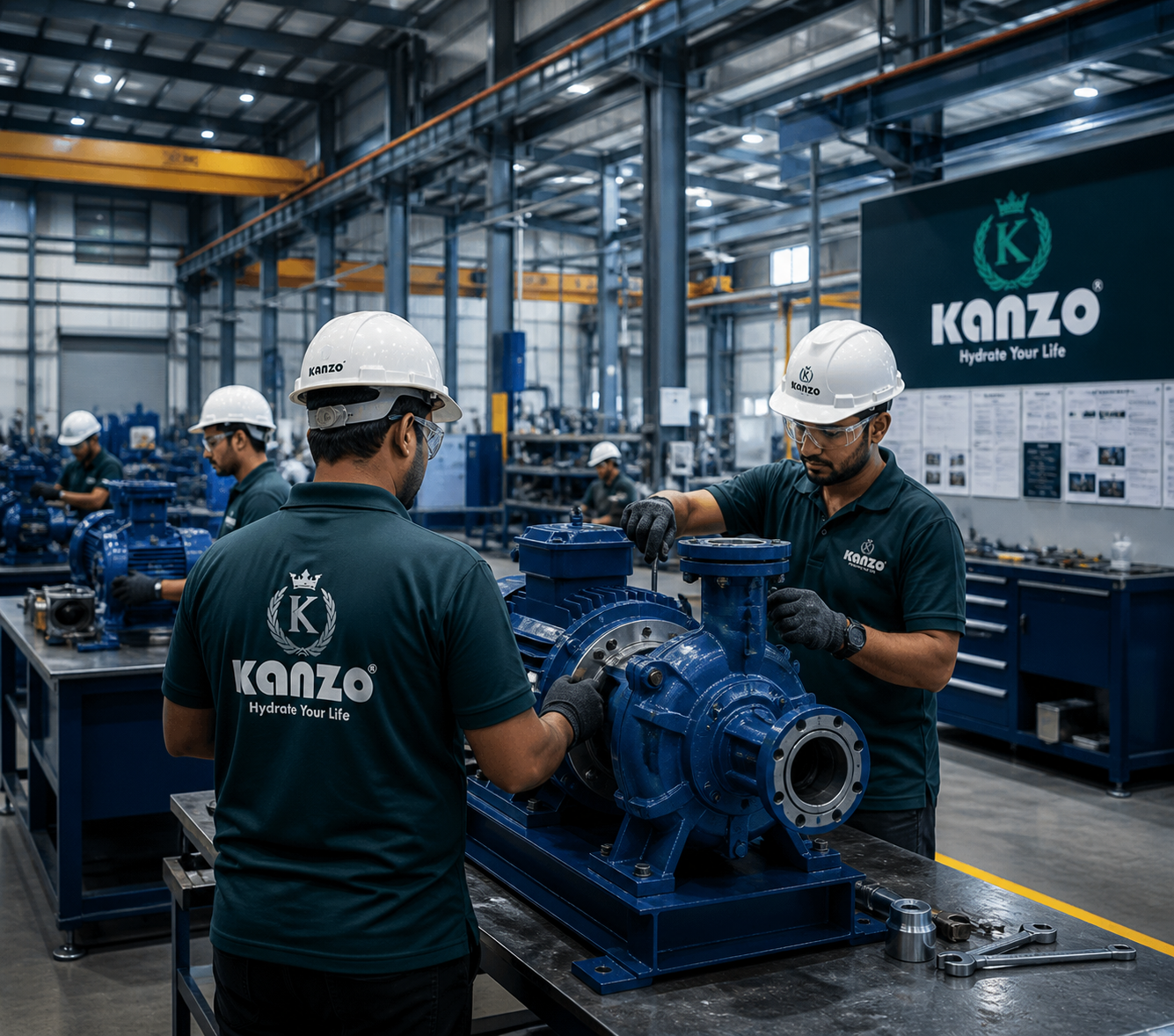
We have been manufacturing and supplying water pump systems since 1999, and most of our industrial relationships started the same way. A facility had an equipment issue, their existing supplier could not resolve it quickly enough, and they needed something more dependable going forward.
Industrial operations have specific requirements that generic suppliers do not always understand. Flow rates, duty cycles, operating environments, and system integration all affect which pump actually works in practice and which one performs on paper but fails under sustained load.
Moving water reliably between process stages, storage, and utility points without pressure drop or flow inconsistency that disrupts the wider operation.
Supporting cooling loops and circulation systems that need to maintain stable flow rates under variable load throughout extended operating periods.
Maintaining adequate pressure across utility networks where consistent output is critical to the integrity of connected equipment and processes.
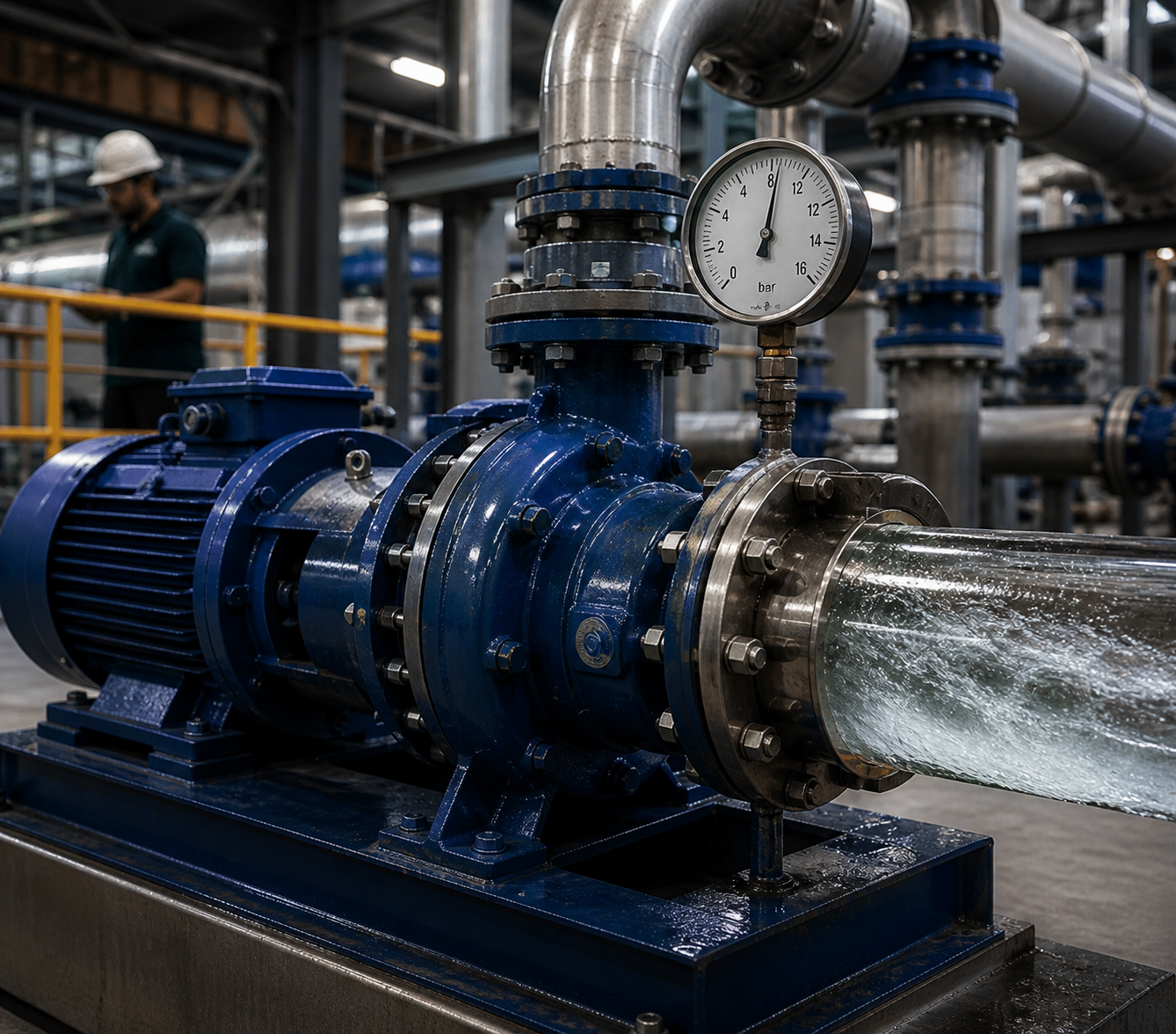
A pump specified for intermittent use behaves differently from one operating under sustained industrial load. The nameplate rating might look adequate — but duty cycle, ambient temperature in a Saudi industrial environment, and system integration requirements each narrow the range of what actually performs. Miss one of those factors and the degradation begins almost immediately, even if the failure takes months to become obvious.
This is the most common root cause in industrial pump issues: not a manufacturing defect, not bad luck — a specification that was never matched properly to the actual operating environment. Most of the repeat failures we see in industrial facilities trace back to the initial selection decision, not to anything that happened after installation.
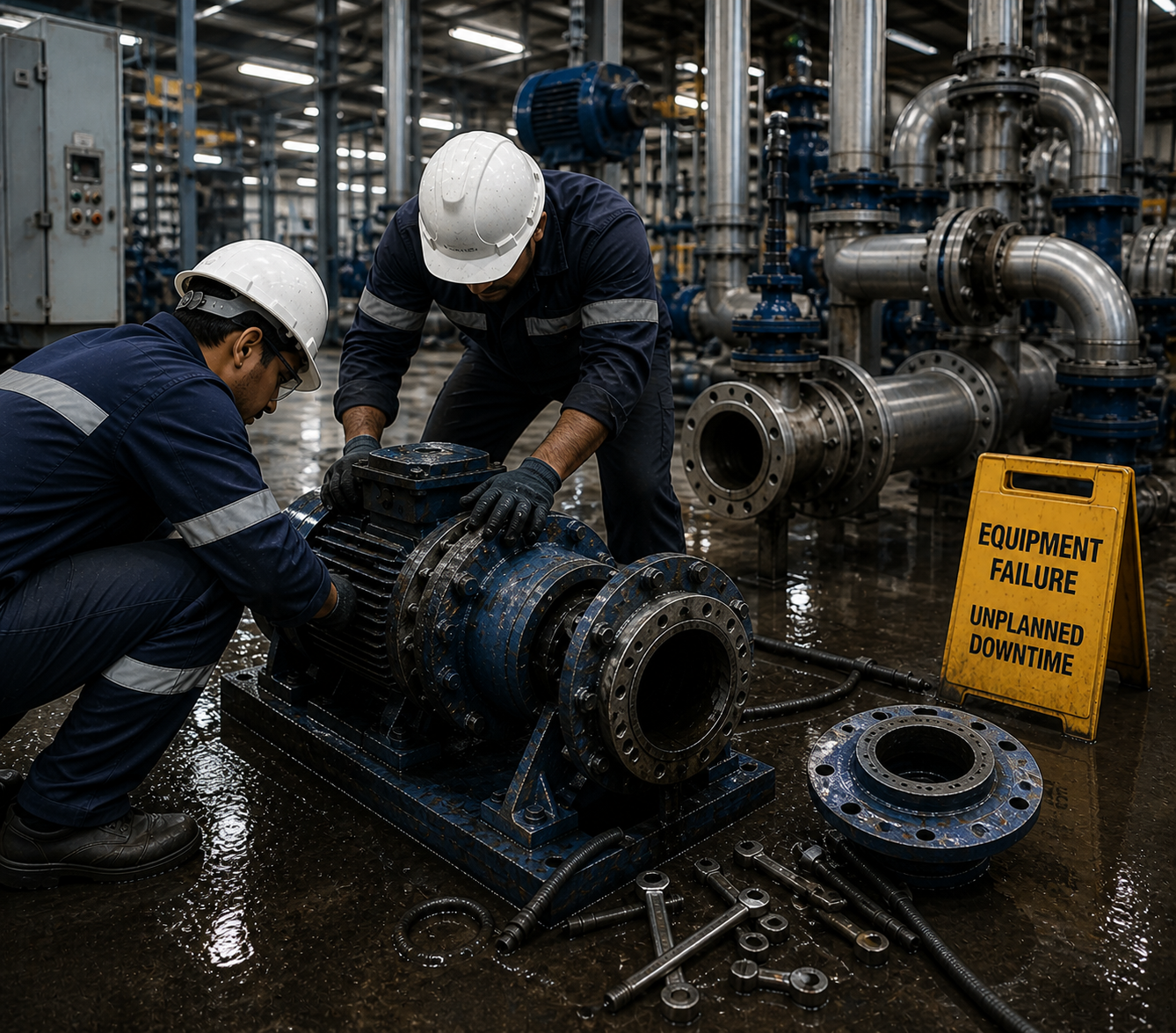
The equipment failure itself is the visible event. The cost is almost always larger than it appears. When an industrial pump fails without warning, the direct expense of the replacement unit is usually the smallest number on the list. It is the production hours lost while waiting, the overtime to recover schedule, and the knock-on impact on delivery commitments that make the real total. In some operations, a few hours of unplanned downtime costs more than the pump itself.
The facilities that manage this best are not the ones with the fastest emergency procurement process. They are the ones that planned supply in advance and had replacement units available before they were needed.
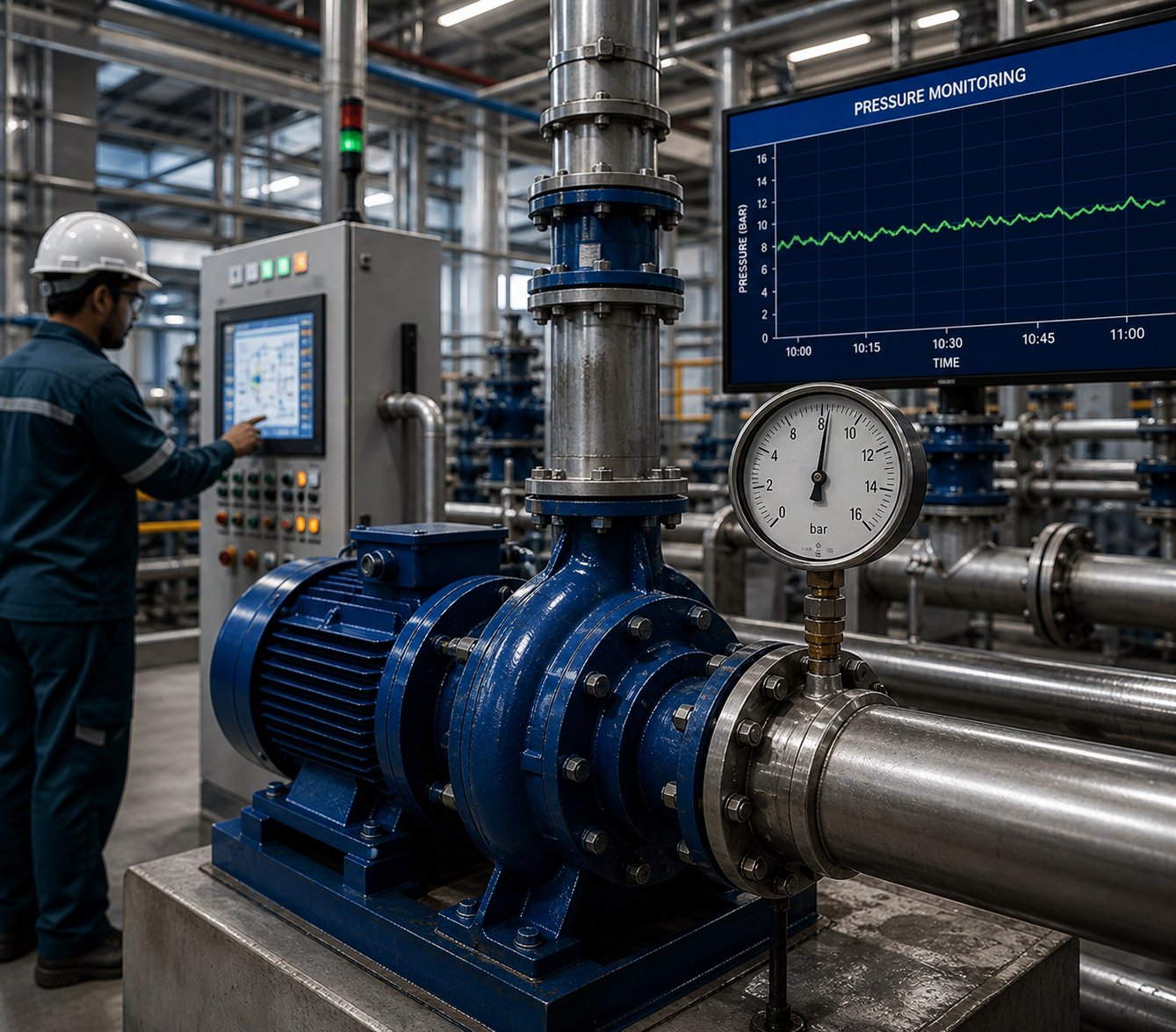
In manufacturing and process environments, pressure is not just a performance metric , it is part of the process itself. Cooling systems that cannot maintain flow affect equipment temperature control. Transfer systems with pressure variation cause inconsistency in downstream processes. Utility networks with irregular supply create compounding problems across multiple dependent systems.
These effects almost never get logged as pump failures. They appear as quality variation, increased reject rates, or equipment wear attributed to other causes and the pump sits unexamined while process engineers look elsewhere. Getting pressure consistency right from the start is one of the quietest quality improvements an industrial operation can make.
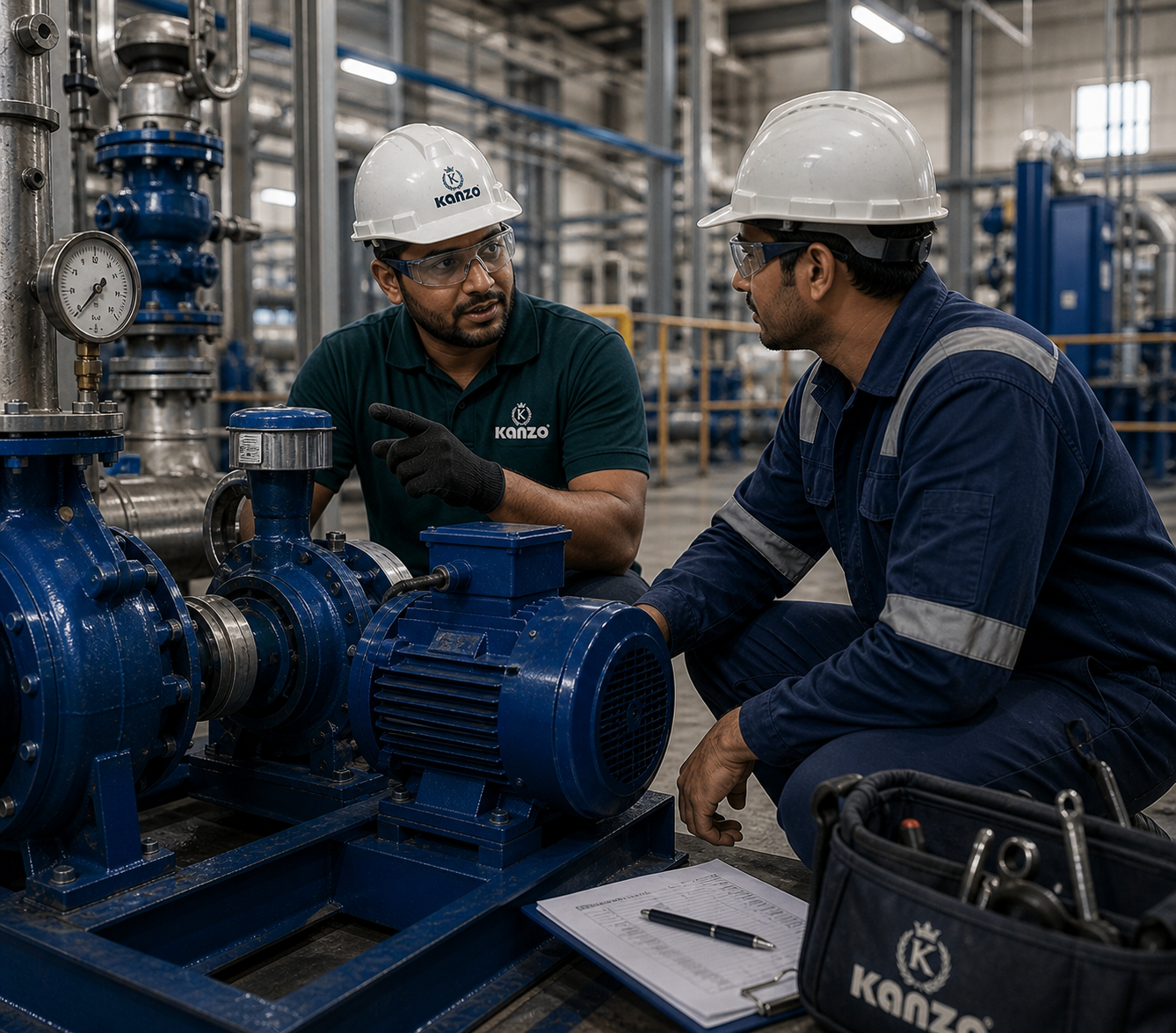
For industrial operations, the sale is the starting point, not the finish line. Equipment that performs consistently over months of continuous operation matters more than any initial specification. That is the standard we hold ourselves to, and it is reflected in how our after-sales support is structured.

These are the questions that come up most often from engineering teams, procurement managers, and facility operators across Saudi Arabia.
Yes. Supply can be planned based on operational scale and system requirements. We work with procurement and engineering teams handling multiple systems across large facilities or operations spread across several locations in Saudi Arabia.
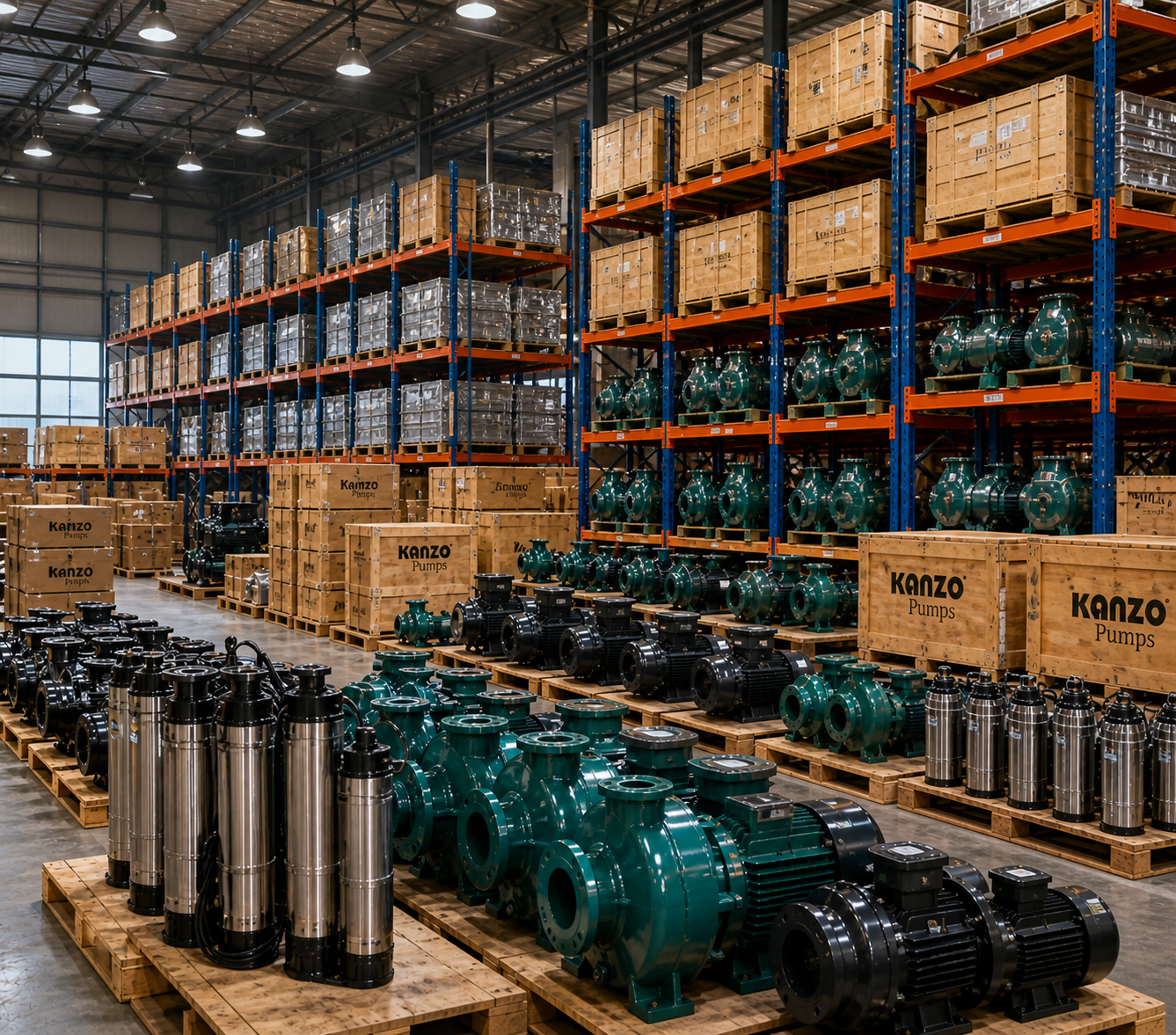
Industrial requirements are not one offs. Most facilities running multiple systems need a supply arrangement that maps to how the operation actually runs by capacity, usage cycle, and operational phase rather than placing individual orders every time something needs replacing.
We work with industrialist, procurement teams, and engineering departments to structure supply based on operational need. This means availability when required, better unit pricing at volume, and less time spent managing the supplier side of your operation.
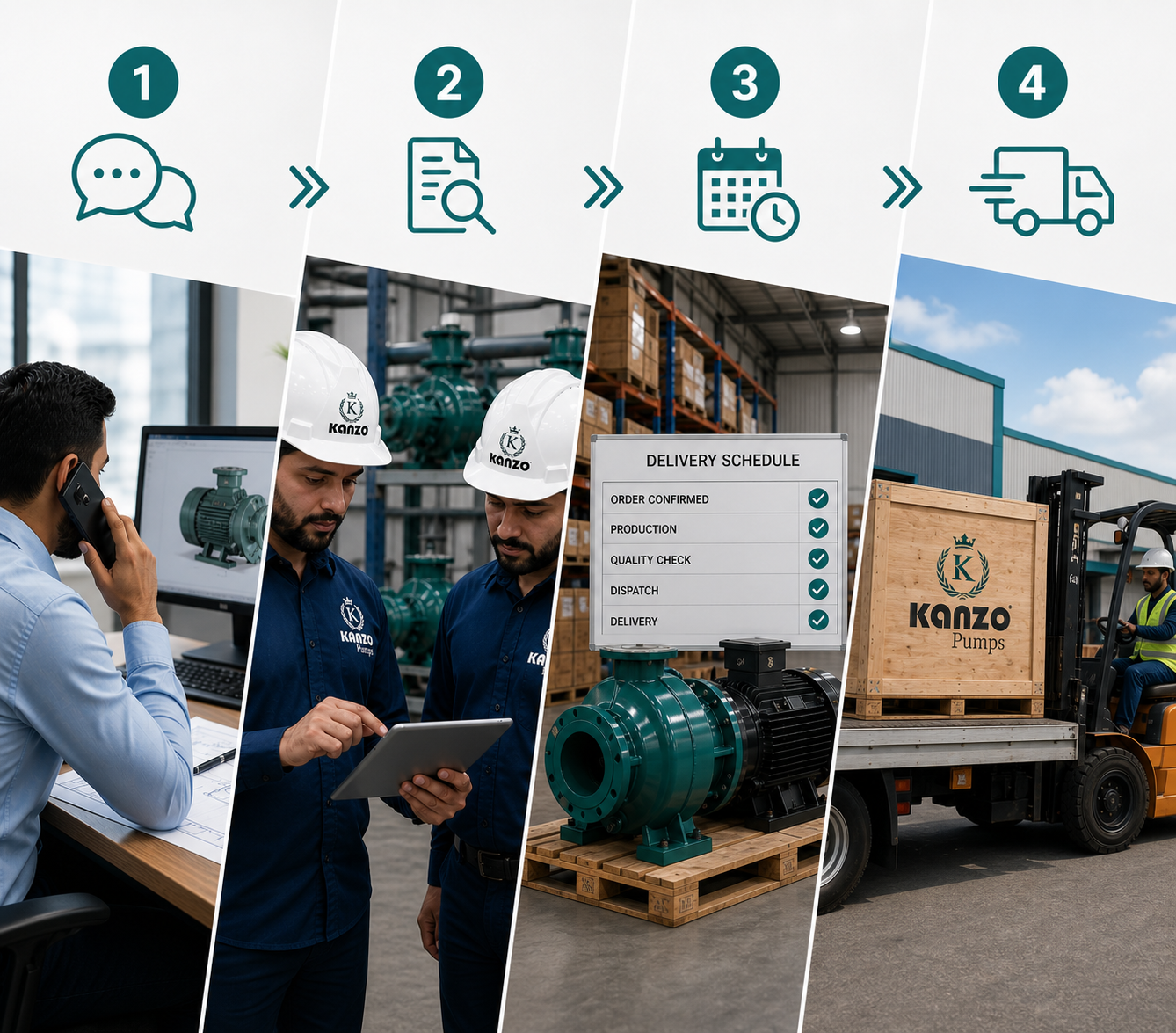
Industrial buyers do not have time for drawn-out procurement processes. Here is exactly what happens when you contact us — no ambiguity, no unnecessary back-and-forth.
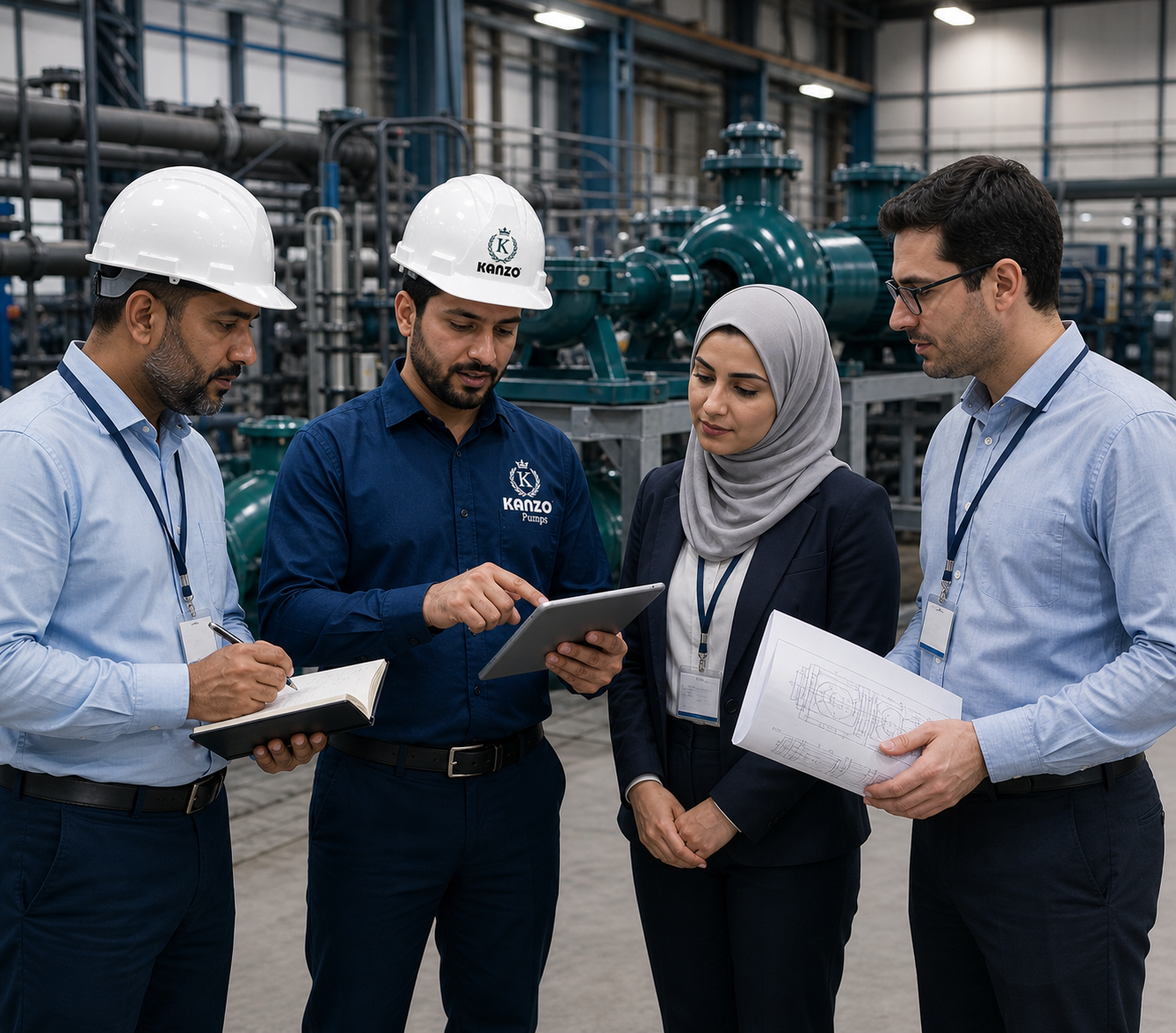
We work across different roles in the industrial supply chain. What they share is that equipment reliability matters more to them than getting the lowest quote from a supplier with no track record.
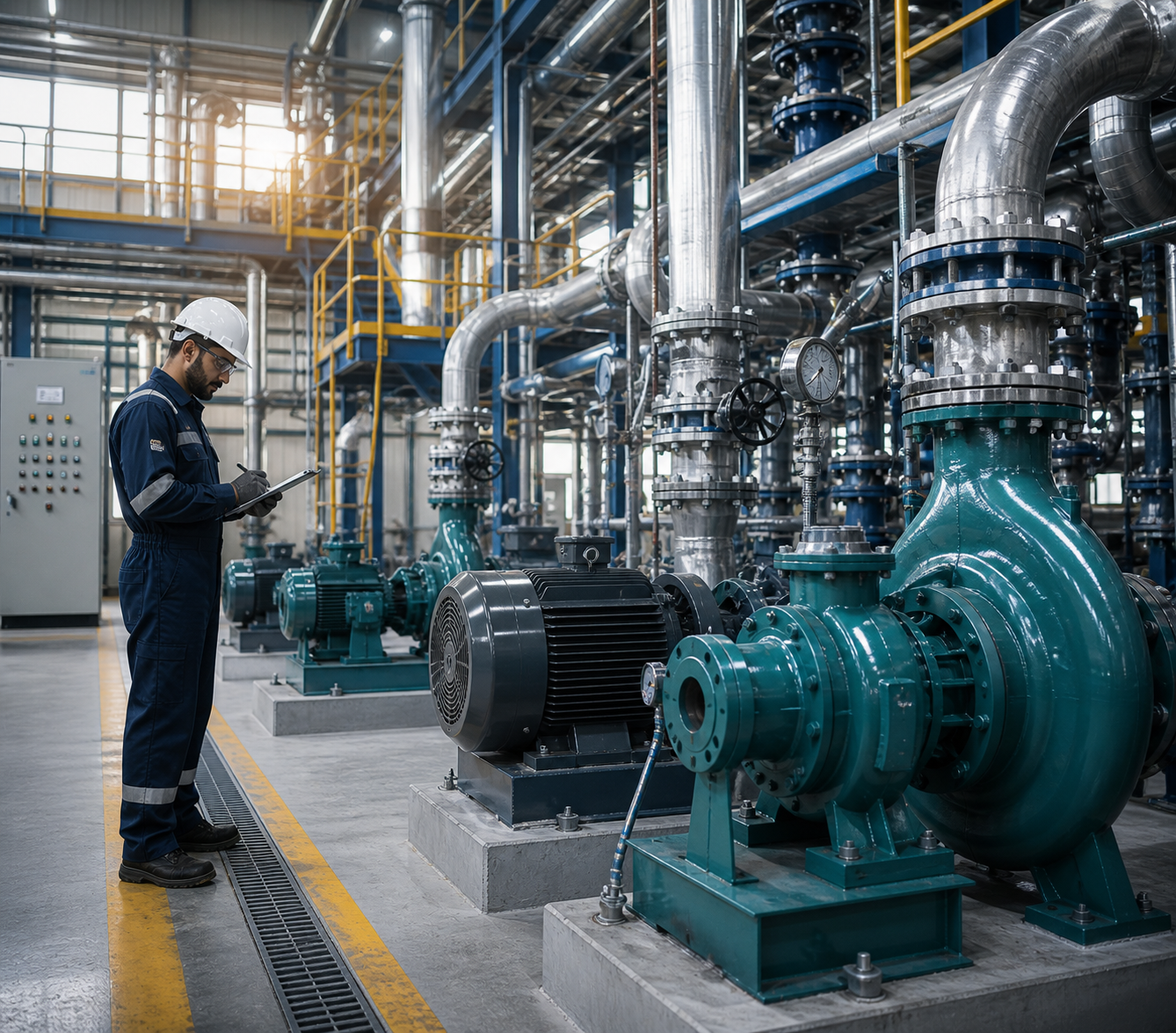
Scale is usually the first thing industrial buyers want to confirm , whether we can actually handle the volume and complexity of their operation, not just single-unit orders. The answer is yes at both ends of the range, and the selection and specification process is the same regardless of order size.
We supply and support water pump solutions across major cities in Saudi Arabia with reliable delivery and after-sales assistance.