Submersible Pump and Centrifugal Pump: The Real Difference Nobody Talks About
When you’re comparing submersible pumps and centrifugal pumps, most articles throw specs at you ,flow rates, horsepower, efficiency ratings. And sure, those matter.
But here’s what actually keeps facility managers up at night: what happens six months after installation when the pump stops working during peak demand?
I’ve watched businesses lose thousands in downtime because they picked the “best pump on paper” from a supplier who disappeared when problems started. In Saudi Arabia’s harsh conditions, the pump is only half the equation. The support system behind it? That’s what determines whether you’re running smoothly or scrambling for solutions.
So let’s talk about both the technical differences and the practical realities that actually impact your operations.
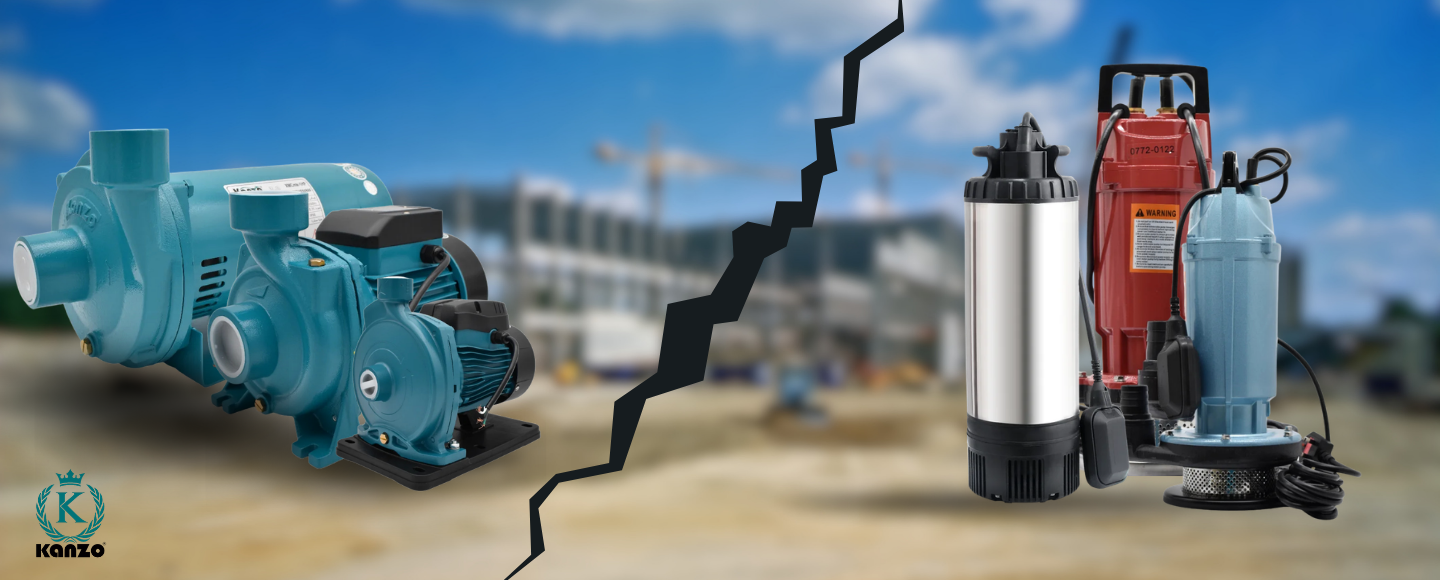
Understanding the Core Difference
The fundamental distinction is simple:
“Submersible pumps work underwater, Centrifugal pumps work above ground.”
But that one difference cascades into everything else like installation costs, maintenance schedules, energy consumption, and lifespan.
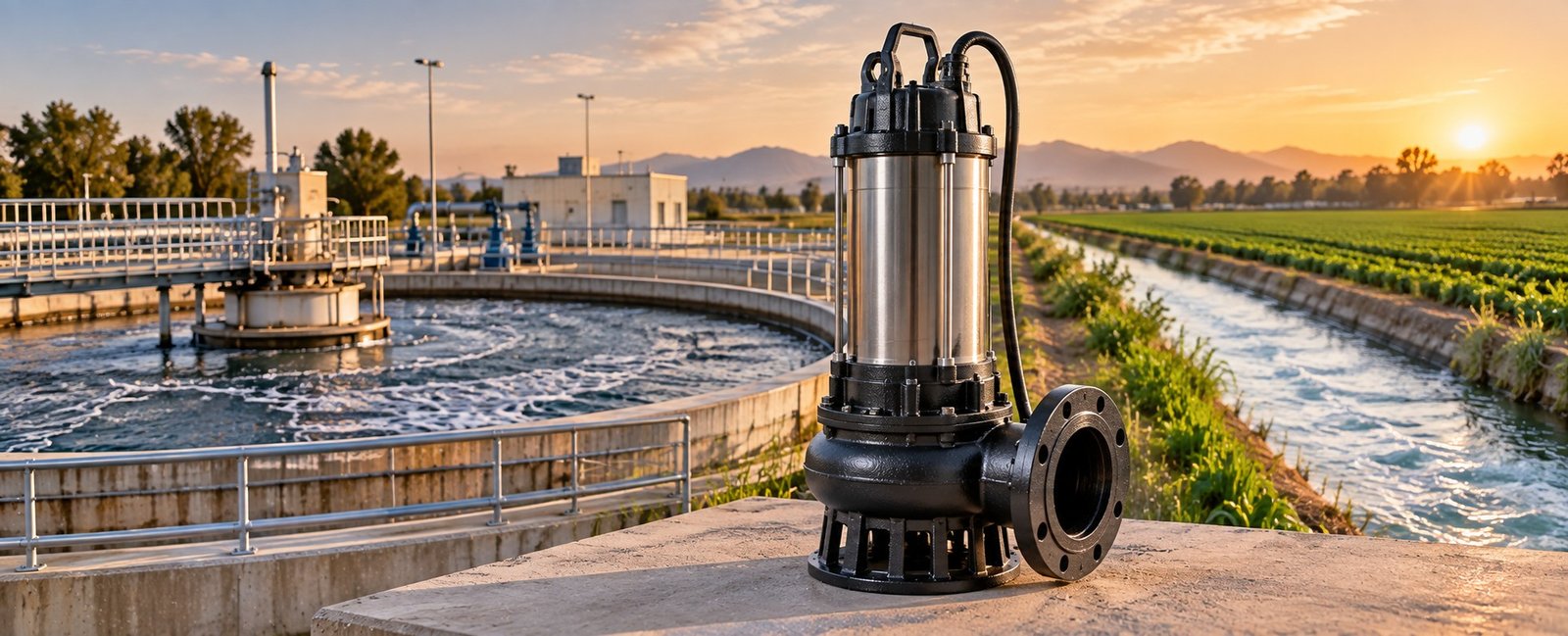
Submersible Pumps: Built for Depth
A submersible pump sits directly in the water source whether that’s a borehole 150 meters deep or a sump tank. The motor is sealed, waterproof, and designed to push water upward from inside the source.
This design eliminates priming issues completely. You install it, power it up, and it works. No air locks, no suction problems, no waiting.
Where they excel:
- Deep wells (20 to 500+ meters)
- Boreholes and groundwater extraction
- Mining operations
- Agricultural irrigation from deep sources
- Municipal water supply systems
Real advantage in Saudi conditions: The sealed motor runs cooler because it’s surrounded by water. When ambient temperatures hit 45-50°C, that makes a measurable difference in motor life.
Centrifugal Pumps: The Accessible Workhorse
Centrifugal pumps sit above ground in pump rooms, on building rooftops, or beside water tanks. They pull water through suction and are the go-to choice for surface applications.
The main benefit? You can see it, touch it, and service it without specialized equipment.
Where they excel:
- Building water supply systems
- HVAC cooling circuits
- Industrial process applications
- Irrigation from surface sources
- Booster pump systems
Practical advantage: When maintenance is needed, your technician doesn’t need lifting equipment or specialized tools. The pump is right there.
The Technical Breakdown That Actually Matters
Let me give you the comparison that affects your bottom line:
Installation Costs
Submersible: Higher upfront. You need borehole drilling equipment, lifting gear, and specialized electrical connections. For a typical installation, expect 20-30% more initial investment.
Centrifugal: Lower. Standard electrical work, basic plumbing, concrete pad. Most contractors can handle it without specialized equipment.
Operating Efficiency
Submersible: More efficient for deep sources. You’re pushing water up, not pulling it—which means less energy wasted fighting gravity and friction. For depths beyond 25 meters, this efficiency gap becomes significant.
Centrifugal: More efficient for surface applications and shorter lifts. Less mechanical complexity means less energy loss in the pump itself.
Real numbers: A submersible pump at 100 meters depth typically consumes 15-20% less energy than the equivalent centrifugal setup would (if it could even reach that depth reliably).
Maintenance Accessibility
Submersible: Major pain point. Pulling a pump from 200 meters requires equipment, time, and planning. You can’t just “quickly check” on it. Budget for a full-day operation when maintenance is needed.
Centrifugal: Walk up, open the housing, inspect. Minor issues can be addressed in under an hour.
Lifespan in Saudi Conditions
This is where experience matters more than specs.
Submersible pumps in Saudi Arabia face sandstone particulates, varying water chemistry, and inconsistent power quality. A quality unit from a reliable manufacturer typically runs 8-12 years before major overhaul. Cheap imports? Sometimes less than 3.
Centrifugal pumps deal with extreme heat, dust ingress, and the same power issues. Properly maintained units from established manufacturers routinely exceed 15 years. The key word: properly maintained—which is easier to do when the pump isn’t 150 meters underground.
What Nobody Mentions: The Saudi Reality
Here’s the part that matters if you’re actually running operations here.
Heat Isn’t Just Hot , It’s Equipment Killing
When your ambient temperature stays above 40°C for months, motors work harder. Seals degrade faster. Electronics fail more frequently.
Submersible pumps have a natural advantage , they’re cooled by the water they’re pumping. Centrifugal pumps exposed to direct sunlight? They need proper enclosures, ventilation, and sometimes active cooling. Skip this, and you’re replacing motors every 18 months instead of every 5+ years.
Dust Gets Everywhere
Fine desert dust infiltrates everything. For centrifugal pumps, this means:
- Regular bearing lubrication checks
- Air filter replacements (if you’ve installed them, you should)
- Cooling fan cleaning
- Motor housing inspections
For submersibles? Not an issue. They’re sealed and submerged.
Water Quality Varies Wildly
Groundwater in Riyadh isn’t the same as groundwater in Jeddah. Some sources have high mineral content, others carry sand, some have both.
This affects pump selection more than most spec sheets acknowledge. A standard impeller design might work fine in one location and fail within months in another.
This is where experience with local conditions trumps theoretical engineering every single time.
Why Support Matters More Than You Think
Two identical pumps. Same specifications. Same price.
One supplier provides genuine after-sales support. The other? You’re on your own after the sale.
In B2B operations, this difference is massive.
The True Cost of Downtime
When a pump fails at a commercial facility:
- Hour 1: Operations slow down
- Hour 4: Production stops
- Hour 8: You’re calculating losses
- Day 2: Clients are calling with complaints
- Day 3: You’re considering backup suppliers
For a medium-sized facility, a single day of downtime can cost more than the pump itself.
What Real Support Looks Like
Since 1999, Kanzotech Pumps has been manufacturing and supplying water pumps across Saudi Arabia. That’s not marketing speak. It’s 25+ years of understanding exactly what breaks, when, and why in this environment.
Here’s what separates actual support from lip service:
Response time that matters: When you call with an issue, do you reach a person who can help, or a voicemail system? At Kanzotech, technical support responds not “eventually,” but when your operation needs it.
Door-to-door service: This is crucial for submersible pumps. Pulling a pump from a 150-meter borehole isn’t a DIY job. Kanzotech handles the entire process—extraction, diagnosis, repair or replacement, and reinstallation. You don’t coordinate multiple contractors. You make one call.
2-Year replacement warranty: Notice the word “replacement,” not “repair.” If a pump fails within warranty, you get a new unit. No arguments about whether it’s repairable. No extended downtime while someone tinkers with rebuilding it. Replacement.
That’s not standard in this industry. It’s a statement of confidence in manufacturing quality.
Common Mistakes (And How to Avoid Them)
Mistake 1: Buying on Price Alone
Cheapest quote wins until it doesn’t.
A facilities manager in Dammam learned this the expensive way. Saved 15% buying from an unknown supplier. Lost 10 days of operation when the pump failed and the supplier couldn’t provide replacement parts.
The math was simple: the 15% savings cost him 300% in downtime losses.
Mistake 2: Wrong Pump for the Application
“Can we use a centrifugal pump for this 80-meter well?”
Technically? Maybe, with enough stages and power.
Practically? You’re setting up for failure. Centrifugal pumps aren’t designed for that application. You’ll fight constant priming issues, efficiency losses, and premature wear.
Match the pump to the job, not the job to the pump you prefer.
Mistake 3: Ignoring Local Service Availability
Your supplier is in Dubai. Your facility is in Tabuk.
When something breaks, how long before a technician arrives? 3 hours? 3 days?
Local presence matters. Stock availability matters. Technicians who know the region matter.
Mistake 4: No Maintenance Plan
“It’s working fine, why spend money on maintenance?”
Because preventive maintenance costs a fraction of emergency repairs.
A simple quarterly inspection catches bearing wear, seal degradation, and electrical issues before they cause catastrophic failure. Skip it, and you’re gambling with your operation’s reliability.
Real Example: Why Experience Counts
A food processing facility outside Riyadh was expanding operations. They needed reliable water supply from a 180-meter borehole.
Two quotes on the table:
- Unknown brand, bottom price, vague support terms
- Kanzotech submersible pump, higher price, comprehensive support package
They chose based on total cost of ownership, not just purchase price.
Three years later, that pump is still running. One scheduled maintenance service. Zero downtime. Zero emergency calls.
The facility manager’s words: “I don’t think about the water supply anymore. It just works. That’s worth more than any initial savings.”
Making the Right Choice
Choose a submersible pump when:
- Water source is deeper than 25 meters
- You need quiet operation (residential areas, hotels)
- Installation space is limited
- Energy efficiency over depth is priority
- Water source is consistent and dedicated
Choose a centrifugal pump when:
- Water source is surface-level or shallow
- Easy maintenance access is essential
- You need flexibility for varying flow demands
- Installation and equipment access is straightforward
- You have proper housing/protection from elements
Why Businesses Choose Kanzotech Pumps
As a manufacturer and wholesale supplier since 1999, Kanzotech Pumps has built its reputation on something simple: pumps that work, and support that responds.
Not the flashiest marketing. Not the cheapest price.
But when your operation depends on continuous water supply, reliability isn’t negotiable.
What makes the difference:
- Manufacturing quality backed by decades of field experience
- Technical support that understands Saudi conditions specifically
- Service infrastructure that reaches your location
- Warranty terms that protect your investment
- Stock availability when you need it
The right pump matters. The right partner matters more.
Frequently Asked Questions
1. Which pump type is better for deep wells in Saudi Arabia?
Submersible pumps are specifically designed for deep well applications. For depths beyond 25 meters, they’re not just better—they’re the practical choice. Centrifugal pumps struggle with suction lift limitations and priming issues at those depths.
2. How often do water pumps need maintenance in Saudi conditions?
Centrifugal pumps typically need quarterly inspections , checking bearings, seals, and alignment. Submersible pumps can go 6-12 months between inspections, but when maintenance is needed, it’s more involved. Both schedules should be adjusted based on water quality and usage intensity.
3. What’s the typical lifespan of industrial water pumps?
Quality submersible pumps: 8-12 years before major overhaul. Quality centrifugal pumps: 15+ years with proper maintenance. Cheap imports of either type? Unpredictable , anywhere from 18 months to 5 years. The initial savings rarely justify the replacement costs.
4. Can I switch from centrifugal to submersible pump?
Yes, but it requires evaluating your entire system ,water source depth, flow requirements, electrical setup, and installation access. Sometimes it makes sense. Sometimes the infrastructure changes cost more than the operational gains. Best to consult with experienced suppliers who can assess your specific situation.
5. Why is after-sales support so important for water pumps?
Because downtime costs more than equipment. A pump failure at a commercial facility can halt operations, costing thousands per day. Support that responds quickly with parts, technicians, and solutions .This is the difference between minor inconvenience and major financial impact.
Conclusion
Submersible pump vs centrifugal pump isn’t really the question.
The question is: which pump matches your application, and which supplier will be there when you need them?
In Saudi Arabia’s demanding environment, both matter equally.
Kanzotech Pumps has been answering both questions for businesses across the region since 1999. Not with promises with performance, support, and partnerships that last.
Because at the end of the day, you’re not buying a pump. You’re buying reliability, uptime, and peace of mind.
And in this industry, that’s everything.



 September 12, 2026
 HYZAM KENZ



Comments
No comments yet. Be the first to comment!