


Water Pump Pressure Switches: Why They Matter and How to Maintain Them


Introduction
It’s a part most people never think about until their pump burns out, their water stops without warning, or their electricity bill jumps for no obvious reason. The pressure switch for your water pump is small, inexpensive, and almost entirely responsible for whether your pump runs safely or destroys itself.
This guide explains what a water pump pressure switch actually does, the warning signs of a failing one, how to maintain it, and what to look for when buying a replacement, whether it’s for a home, villa, or commercial building in Saudi Arabia.
What a Water Pump Pressure Switch Actually Does
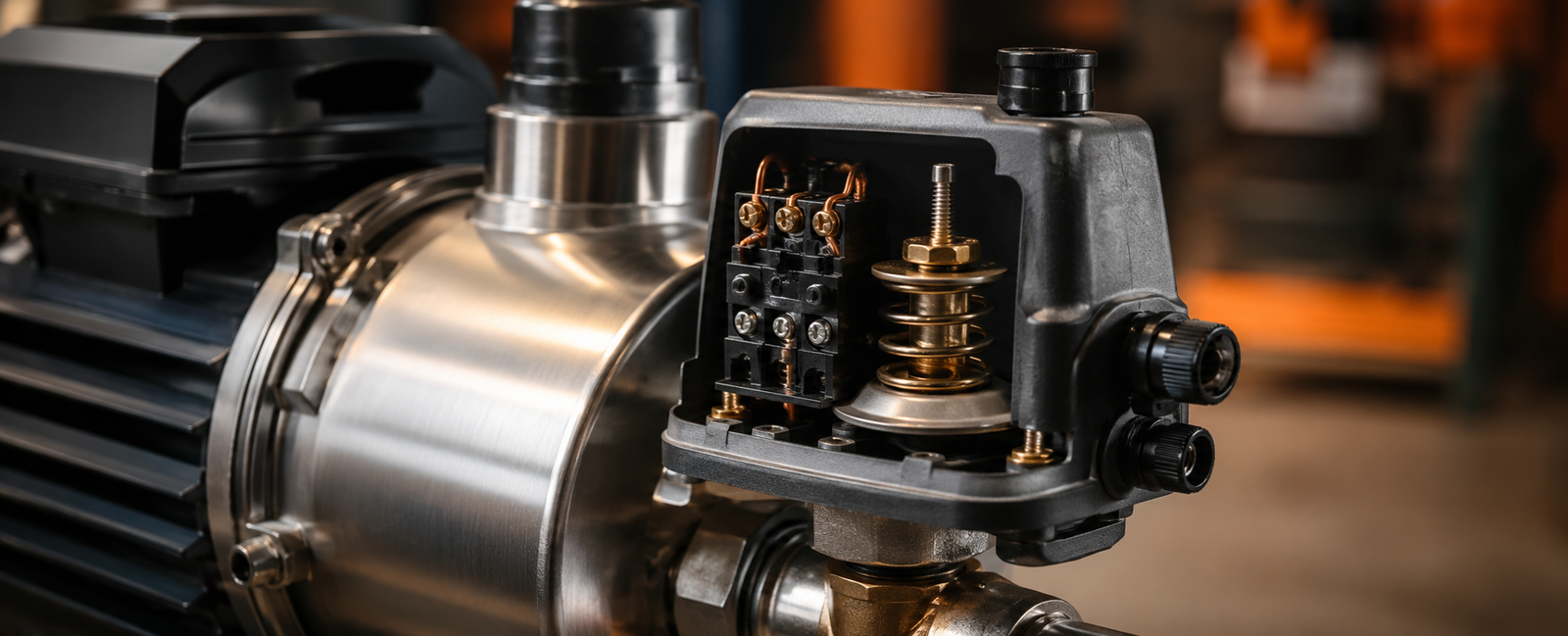
A water pump with a pressure switch is designed to turn on automatically when water pressure drops below a set point, and turn off once pressure is restored, so the pump doesn’t have to run continuously or be switched on manually every time a tap opens. This single component controls three things at once: convenience (automatic on/off), efficiency (the pump only runs when needed), and protection (many switches include dry-run cutoff, which stops the pump if it loses water supply).
Without a functioning pressure switch, a pump either runs constantly, wasting electricity and wearing out the motor faster or fails to protect itself if the water source runs dry, which is one of the fastest ways to burn out a pump motor.
Warning Signs Your Pressure Switch Is Failing
- Pump won’t start even though there’s water in the supply
- Pump keeps running continuously and never shuts off
- Rapid cycling, pump switching on and off repeatedly in short bursts (this is especially damaging to the motor)
- Inconsistent water pressure at taps, sometimes strong, sometimes weak
Unusual clicking or humming from the switch housing itself
Any one of these on its own is worth investigating. More than one at the same time usually means the switch needs adjustment or replacement before it causes damage to the pump motor.
Why a Failing Switch Leads to Pump Burnout
The single most expensive outcome of a bad pressure switch is dry running, the pump continuing to operate with no water passing through it. Pumps rely on water flow to cool the motor internally; without it, internal components overheat within minutes, and in many cases the motor is damaged beyond repair. A properly functioning pressure switch with dry-run protection cuts power to the pump the moment supply is lost, which is the single cheapest insurance a pump owner has against a full motor replacement.
Rapid cycling causes a slower, quieter version of the same damage, every start-up draws a surge of current, and a switch that’s cycling every few seconds puts far more electrical and mechanical stress on the motor than the manufacturer designed for.
Maintaining a Water Pressure Pump Switch
- Check the pressure setting periodically, switches can drift out of calibration over time, especially with temperature swings
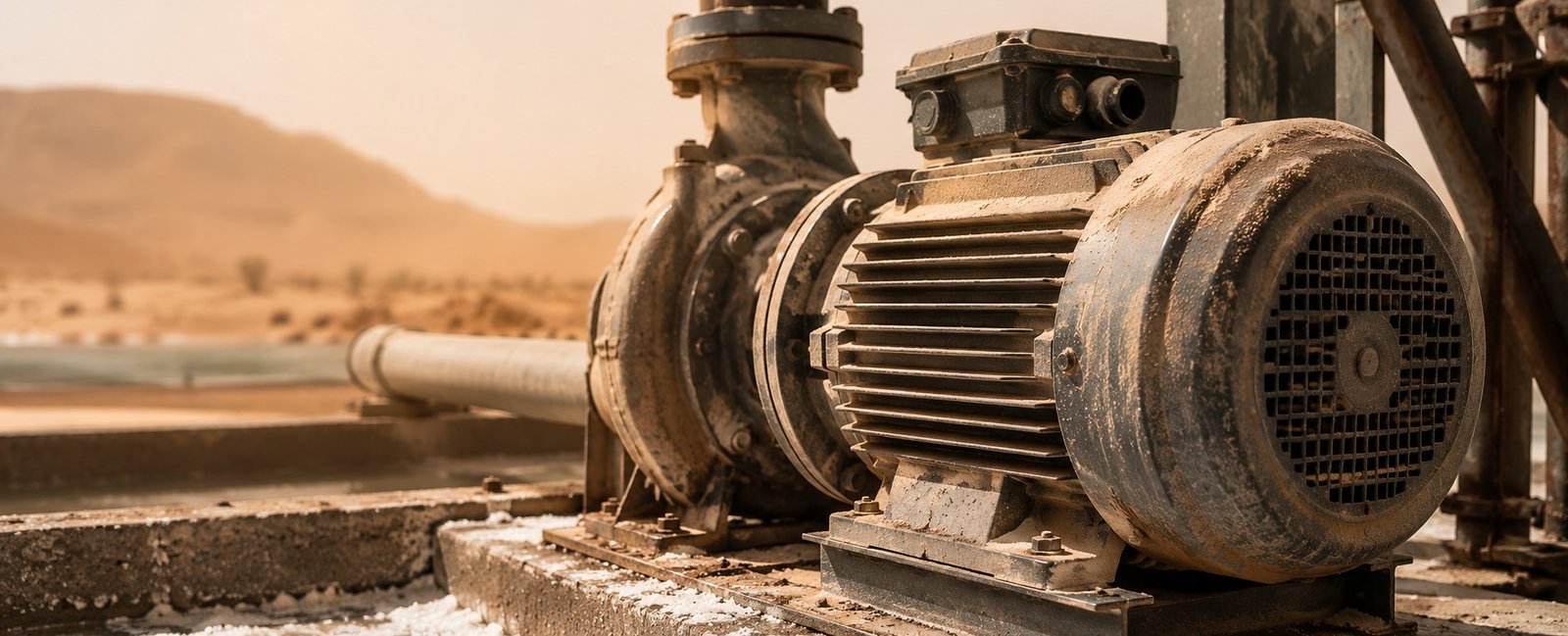
- Keep the switch housing clean and dry, dust ingress is a common cause of contact failure, particularly in outdoor pump installations common across Saudi Arabia’s climate
- Inspect electrical contacts for corrosion once or twice a year, more often in coastal, higher-humidity cities
- Test the dry-run cutoff function periodically, don’t assume it works simply because the pump has never failed yet
Replace the switch (not just adjust it) if cycling or pressure issues persist after cleaning and recalibration, worn contacts inside the switch cannot be fully restored
Choosing the Right Replacement Switch
Not every switch fits every pump. A few things to confirm before buying a replacement:
- Voltage rating, most residential systems in Saudi Arabia run on 220V, 50/60Hz; commercial and industrial systems are often 380V three-phase, so confirm the switch matches your system, not just the pump
- Pressure range, switches are rated for a specific bar/PSI range; using one outside the pump’s designed operating pressure causes premature failure
- Dry-run protection, not all basic switches include this; for unattended residential or rooftop tank systems, it’s worth paying slightly more for a switch that includes it
- SASO-compliant components, confirm any replacement part or full pump-and-switch set carries valid Saudi certification, particularly for commercial installations
Types of Water Pump Pressure Switches
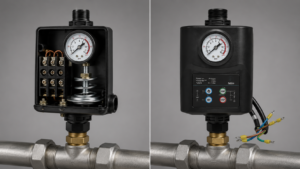
Not all pressure switches work the same way, and the type installed affects both how it fails and how it should be maintained or replaced.
Mechanical (diaphragm/spring) switches
The most common type in residential and small commercial systems. A diaphragm flexes with water pressure and mechanically trips a set of electrical contacts at a fixed high/low pressure point. These are inexpensive, easy to adjust with calibration screws, and simple to replace, but the mechanical contacts wear over time, which is the main reason older switches start rapid-cycling or sticking.
Electronic/digital pressure switches
Use a pressure sensor and solid-state circuit instead of mechanical contacts. These offer more precise and stable pressure control, often with a digital display, and typically last longer since there’s no physical contact wear. They cost more upfront but are increasingly common on booster pump sets for villas and commercial buildings where consistent pressure matters more than minimum cost.
Combination pressure switch + dry-run protection units
These integrate the on/off pressure function with a separate dry-run sensor in one housing, rather than requiring two components. This is generally the safer choice for unattended systems, rooftop tanks, remote sites, or any installation without someone regularly present to notice a problem.
How to Adjust a Pressure Switch Safely
Basic pressure adjustment can often be done without a technician, but always isolate power to the pump before opening the switch housing. The general process:
- Turn off power at the breaker, never adjust a switch while it’s live
- Remove the switch cover to access the calibration nuts/screws (typically a larger nut for the cut-in pressure and a smaller one for the differential/cut-out range)
- Adjust in small increments, quarter-turns and restore power briefly between adjustments to test, rather than making large changes at once
- Confirm the new cut-in and cut-out pressures match your system’s rated operating range printed on the pump or switch label
- If the pressure won’t hold steady after adjustment, or the switch clicks without changing pressure, this points to worn contacts, replace rather than continue adjusting
For commercial systems, multi-pump setups, or anyone unfamiliar with electrical work, having a qualified technician handle this is the safer call, a mis-set switch can just as easily cause pump damage as a failing one.
What a Replacement Pressure Switch Costs
Pricing depends on type and brand, but as a general reference for the Saudi market:
- Basic mechanical pressure switch (residential): entry-level pricing, widely available
- Mechanical switch with dry-run protection: moderate step up from basic units
- Electronic/digital pressure switch: higher upfront cost, offset by longer service life and more stable pressure control
Given the switch is a small fraction of the cost of a full pump replacement, spending slightly more for dry-run protection or an electronic unit is generally the cheaper decision over the system’s lifetime, most pump burnouts cost far more to fix than the switch that could have prevented them.
For Contractors and Specifiers: Multi-Pump and Cascade Systems
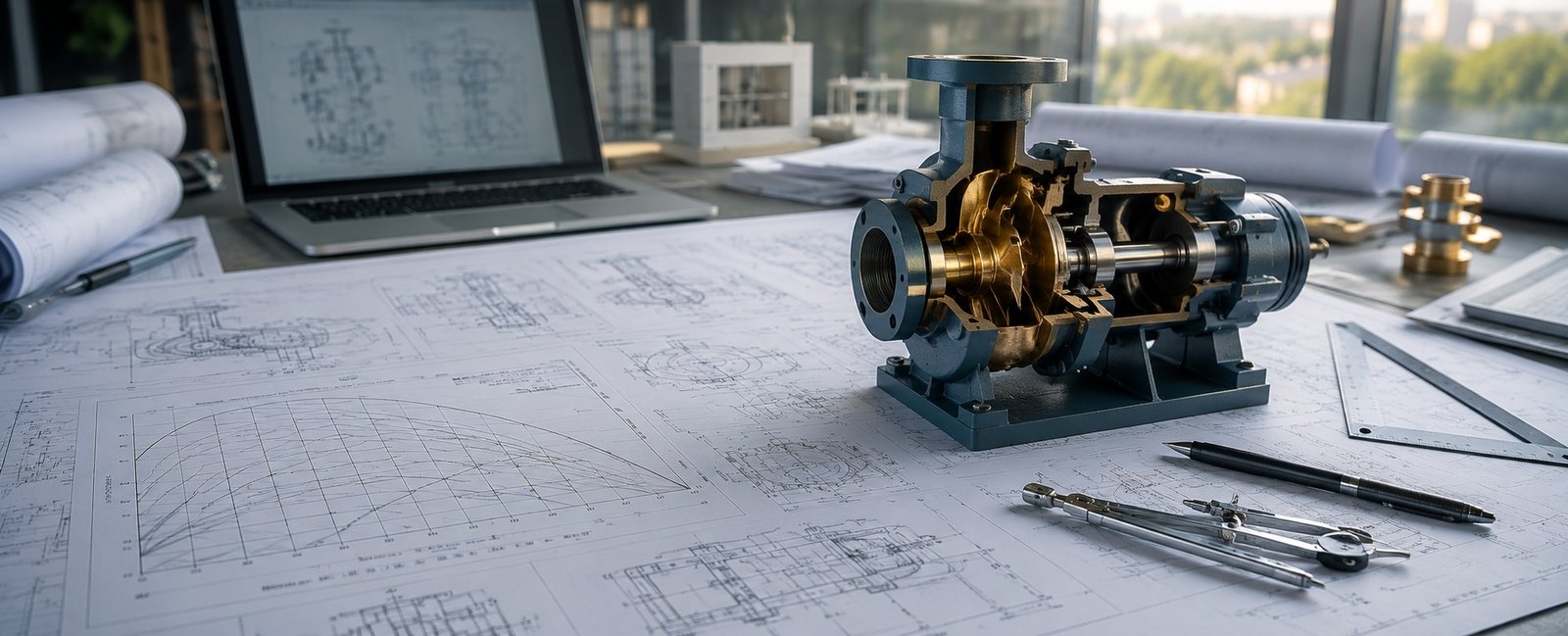
Everything above covers single-pump residential and small commercial setups. Larger buildings, hotels, government facilities, and multi-tenant developments, often run multiple pumps in parallel, and a single on/off pressure switch per pump isn’t the right approach at that scale.
- Cascade/staggered control, multiple pumps are brought online sequentially as demand increases, usually managed by a pressure transducer and controller rather than simple mechanical switches, so peak demand doesn’t rely on one oversized pump running constantly
- VFD-paired systems, in larger installations, a variable frequency drive often replaces simple on/off switching entirely, adjusting pump speed continuously to match demand rather than cycling on and off
- IP rating, switches or transducers installed in exposed plant rooms or rooftop locations should carry an appropriate IP rating for dust and moisture ingress, particularly relevant given Saudi Arabia’s summer conditions
- Contact amperage rating, on larger commercial pumps, confirm the switch’s rated current matches or exceeds the pump’s actual draw; an undersized switch is a common and preventable point of failure on bigger systems
If you’re specifying water systems for a hotel, government building, or multi-unit development, our team can review your pump configuration and recommend whether individual switches, a cascade controller, or a VFD-based setup fits the project best, reach out through the RFQ form below with your building’s pump count and demand profile.
Where This Fits Into Your Broader Pump System
A pressure switch rarely works in isolation, it’s almost always paired with a booster pump or centrifugal system to maintain consistent household or building water pressure. If you’re troubleshooting inconsistent pressure and aren’t sure whether the pump or the switch is the actual problem, our breakdown of booster pump vs. centrifugal pump is a good place to confirm which type of system you actually have before replacing parts.
For homeowners setting up a full system from scratch, our guide to water pumps for houses in Saudi Arabia covers how the pump, switch, and pressure tank work together as one system rather than separate parts.
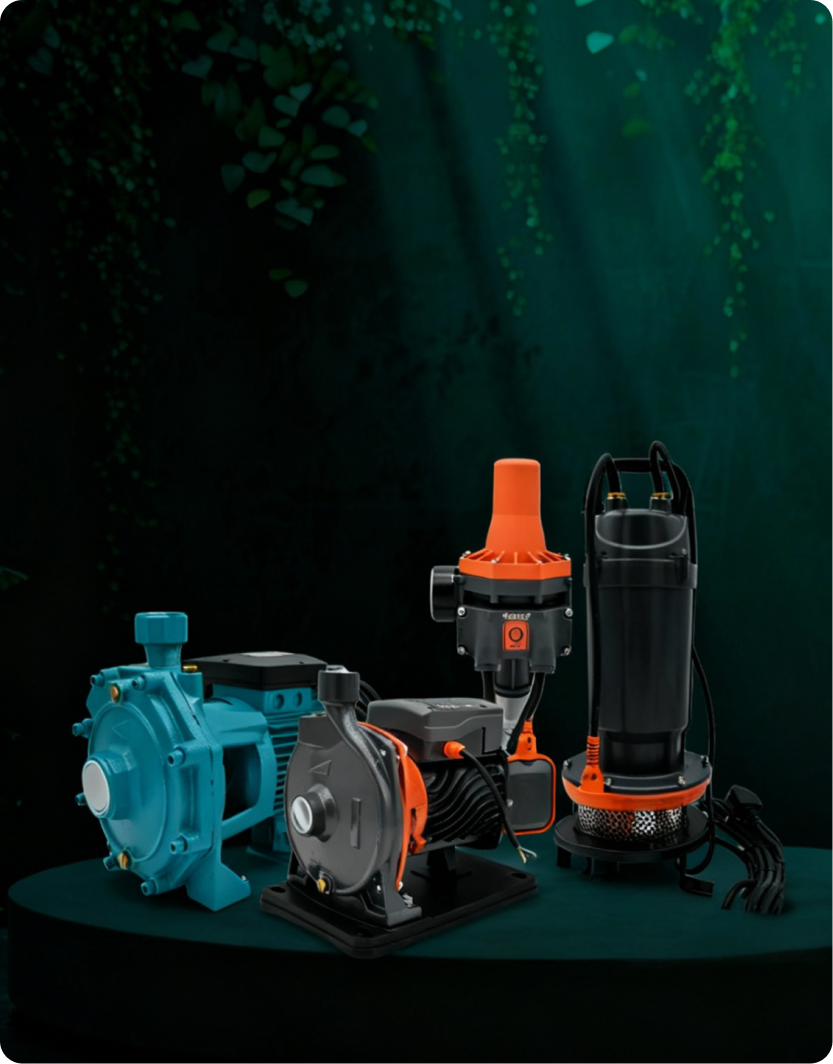
You can browse our circulation/booster pump range and centrifugal pump range directly, both product categories include automatic pressure controller switches and floating switches as available accessories alongside the pump itself.
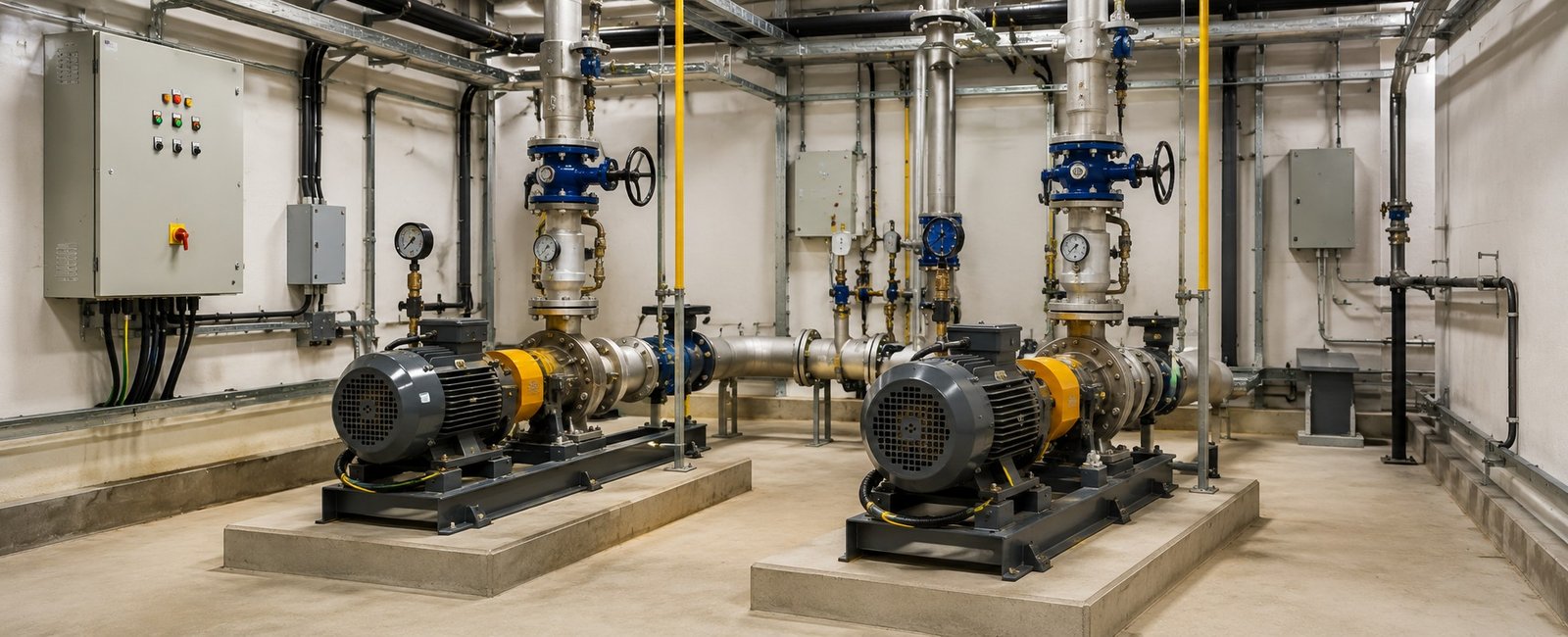
For commercial or industrial installations where pump downtime is costly, our industrial water pump supplier page covers system reliability considerations relevant to facility managers.
Frequently Asked Questions
- Can I fix a pressure switch myself, or does it need a technician?
Basic pressure adjustment can often be done by the owner using the calibration screws inside the switch housing, but electrical contact issues or dry-run protection faults are safer left to a qualified technician, particularly on commercial systems. - How long does a water pump pressure switch last?
With normal use and basic maintenance, a quality switch typically lasts several years, but this varies significantly with water quality, cycling frequency, and environmental exposure, switches in outdoor or high-humidity installations tend to wear faster. - Does every water pump need a pressure switch?
Not every pump requires one, some systems use float switches or are manually controlled, but any pump expected to run automatically based on demand (most household and building booster systems) needs a functioning pressure switch to operate safely and efficiently. - What’s the difference between a pressure switch and dry-run protection?
A standard pressure switch controls on/off cycling based on water pressure. Dry-run protection is a specific safety function, sometimes built into the switch, sometimes a separate component, that cuts power if the pump loses its water supply entirely, preventing motor burnout.
Protect Your Pump Before It Fails
A pressure switch is one of the cheapest parts in your entire water system, and one of the most consequential when it fails. Catching the warning signs early and replacing worn switches rather than just readjusting them is the simplest way to avoid a full pump replacement down the line.
Need a Replacement Pressure Switch or Full Booster Pump Set?
Share your pump model and system type, and our team will confirm the right pressure switch specification and provide pricing within 24-48 hours.
- Request a Quote (RFQ form)
- WhatsApp: +966 54 750 9351







Comments
No comments yet. Be the first to comment!