



Pump Rooms That Don’t Cause Headaches: What Top Contractors Specify


Introduction
A pump room is one of the least visited spaces in any building, and one of the most consequential. Nobody notices it when it’s specified correctly. Everybody notices it when it isn’t, through weak pressure on upper floors, a flooded plant room after a valve failure, or a maintenance callback that takes three times longer than it should because nobody can actually reach the component that failed.
This guide covers what experienced contractors actually specify when designing a pump room that runs quietly for years, rather than one that generates a support ticket every few months.
Why Pump Rooms Are an Afterthought Until They’re Not
Why it matters: Pump rooms rarely get the same design attention as visible, occupied spaces, which is exactly why so many of the problems that surface after handover trace back to decisions made early, when the room felt like a minor detail rather than a critical system.
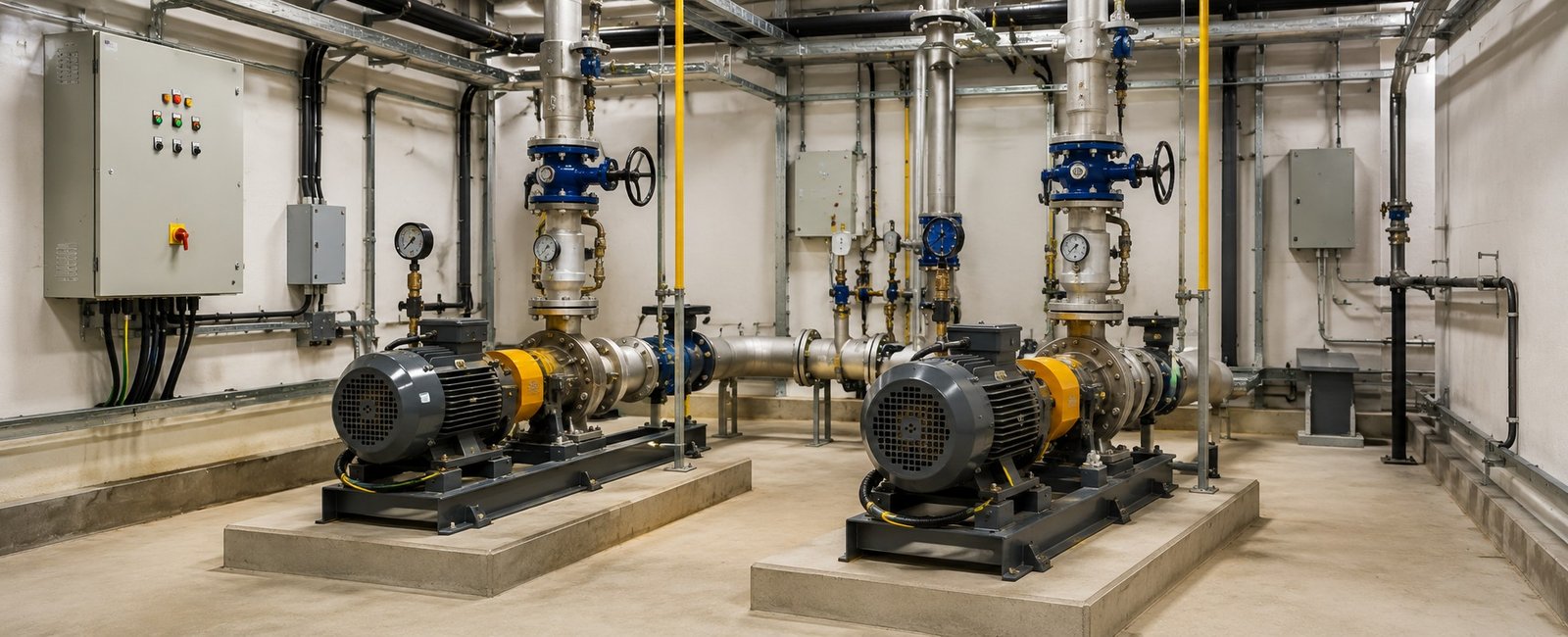
The pattern is consistent: a pump room specified purely around minimum code compliance tends to generate ongoing maintenance friction, while one specified with actual operational conditions in mind, access, redundancy, drainage, ventilation, tends to run without drama for years. The difference in upfront cost between the two is usually small. The difference in long-term maintenance burden is not.
Sizing and Performance Curve Matching
Why it matters: Every other decision in this guide matters less if the pump itself isn’t correctly matched to the system’s actual head and flow requirements in the first place.
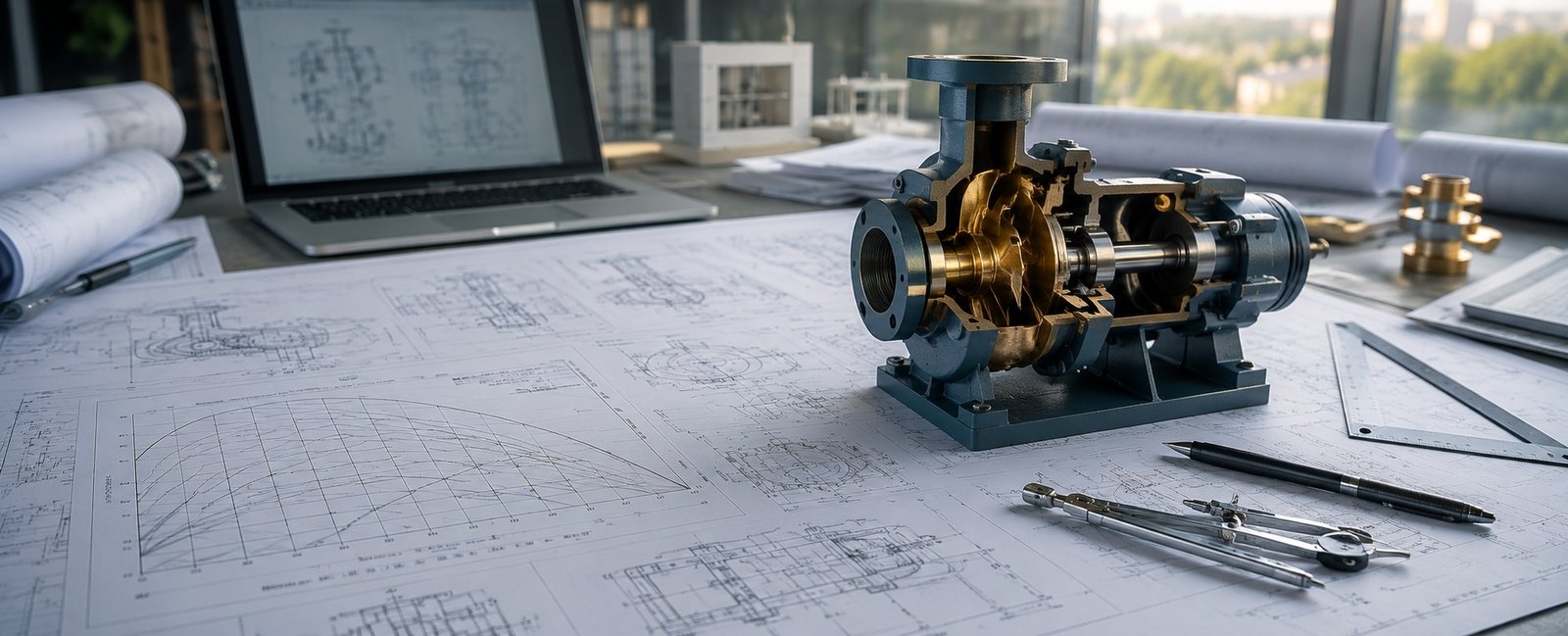
Selecting a pump based on a rough estimate, rather than plotting the system’s actual requirements against a manufacturer’s performance curve, is one of the most common root causes of pump room problems, weak pressure, excessive cycling, premature wear, that surface only after installation. Our guide on understanding pump performance curves covers exactly how to read and apply this data correctly during specification, rather than relying on a general horsepower estimate.
What top contractors specify: A pump selected against a verified performance curve for the system’s actual head and flow conditions, not a nameplate rating chosen because it seemed roughly appropriate for the building’s size.
Duty/Standby Redundancy: What Top Contractors Actually Specify
Why it matters: A single pump with no backup means any failure, mechanical wear, electrical fault, or routine maintenance, takes the entire system offline until it’s resolved. For any building where water supply interruption is a real operational or life-safety concern, this isn’t an acceptable risk.
What top contractors specify: A duty/standby configuration, where a second pump automatically takes over if the primary unit fails or is taken offline for maintenance, is standard practice on commercial and industrial-grade specifications, even where it isn’t strictly mandated by code. The incremental cost of a second pump is minor compared to the cost of an unplanned system-wide outage.
Ventilation, Drainage, and Access: The Details That Prevent Headaches
Why it matters: These are the least glamorous specification decisions in a pump room, and consistently the ones that generate the most ongoing frustration when they’re skipped or minimized.
- Ventilation prevents heat buildup around motors and electrical components, both of which shorten service life when operating in an enclosed, poorly ventilated space, a genuine concern given how hot plant rooms can get in Saudi Arabia’s climate.
- Floor drainage sized for a worst-case scenario, not just routine condensation, means a seal failure or valve leak drains safely away instead of pooling around electrical components or damaging the room itself.
- Physical access clearance around every pump, valve, and switch matters more than it seems during design, since a component that’s difficult to physically reach turns a routine maintenance task into a drawn-out one, and a genuine repair into a significant one.
What top contractors specify: Enough clearance around every serviceable component for a technician to actually work, not just squeeze past, along with drainage sized generously rather than to the bare code minimum.
Noise and Vibration Isolation
Why it matters: In buildings where a pump room sits near occupied space, residential floors above or adjacent to a plant room, hotel corridors, office space, unmanaged vibration and noise become a recurring complaint long after the room itself has been signed off and forgotten by the project team.
What top contractors specify: Proper vibration isolation mounts and, where needed, acoustic treatment specified at the design stage, rather than retrofitted after occupants start complaining. This is a detail that costs far less to get right during construction than to correct after a building is occupied.
Pressure Switches and Controls: Small Components, Big Problems
Why it matters: The components controlling when a pump activates and deactivates are small, inexpensive, and disproportionately responsible for pump room service calls when they’re poorly specified or neglected.
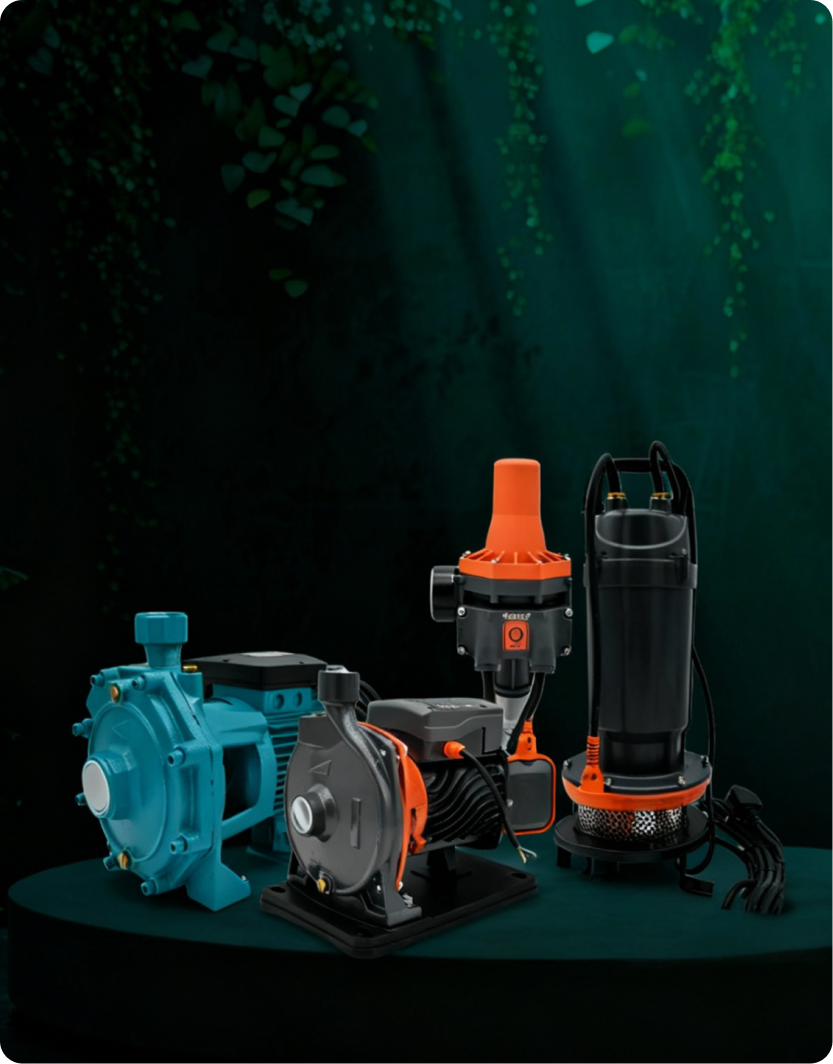
As covered in our guide on water pump pressure switches, a properly specified and maintained pressure switch prevents both short-cycling, which accelerates motor wear, and pressure inconsistency that shows up as a user-facing complaint at the tap. Kanzotech’s automatic pressure controller switches and floating switches are built specifically for this kind of continuous, reliable control duty.
What top contractors specify: A quality pressure switch matched to the system’s actual operating range, with a defined maintenance and inspection interval, not a component installed once and left unchecked for the life of the building.
Foot Valves and Accessories: Don’t Treat Them as an Afterthought
Why it matters: Foot valves, check valves, and similar accessories are frequently the last items added to a pump room specification, and the first ones to cause a problem when they’re chosen purely on price rather than suitability.
A foot valve that fails to hold prime means a pump losing suction and running dry, a condition that can damage the pump itself well before anyone realizes what’s happening. Kanzotech’s foot valve range is built to prevent exactly this failure mode.
What top contractors specify: Accessories matched to the same quality standard as the pump itself, not treated as a minor line item to minimize cost on, since a failure at this level can take out equipment worth many times the accessory’s own price.
Spare Parts Accessibility and Local Stock
Why it matters: A pump room’s real test isn’t the day it’s commissioned, it’s the day something fails three years later, and how quickly it can be fixed.
What top contractors specify: Equipment from a supplier who holds local spare parts stock in Saudi Arabia, rather than relying on an import cycle for a component that’s needed urgently. A pump room designed perfectly on paper still generates a headache if a failed part takes weeks to source.
Commissioning and Documentation
Why it matters: A pump room that’s technically installed correctly but poorly documented creates ongoing friction for whoever manages the building after handover, since maintenance teams inherit a system they didn’t design and often weren’t present for during installation.
What top contractors specify: Full commissioning records, pump curves, switch settings, and maintenance schedules handed over as part of the project file, not left to be reconstructed from memory or guesswork the first time something needs servicing. This same documentation discipline applies across broader MEP planning too, covered in our guide on water pumps in construction projects for Riyadh and Jeddah contractors.
What Top Contractors Specify: A Practical Checklist
- Pump selection verified against actual performance curve data, not estimated sizing.
- Duty/standby redundancy specified for any system where downtime is a real operational risk.
- Ventilation and drainage sized generously, not to bare code minimums.
- Full physical access clearance around every serviceable component.
- Vibration isolation and acoustic treatment specified wherever the room sits near occupied space.
- Quality pressure switches matched to actual operating range, with a defined maintenance interval.
- Foot valves and accessories specified to the same quality standard as the pump itself.
- A supplier with local spare parts stock, not dependence on a fresh import cycle for replacements.
- Full commissioning documentation handed over as part of the project file.
Conclusion
A pump room that doesn’t cause headaches isn’t the result of luck, it’s the result of a specific set of specification decisions made early, correct pump sizing against real performance data, genuine redundancy, generous access and drainage, quality controls, and a supplier who can actually support the equipment years after installation. None of these decisions cost much extra during construction. Nearly all of them save considerable time and frustration during the building’s actual operating life.
Your next steps:
- Review your current pump room specifications against this checklist.
- Confirm pump selection against verified performance curve data before finalizing an order.
- Explore Kanzotech’s domestic, commercial, and industrial pump ranges, along with our accessories range covering pressure switches, foot valves, and spare parts.
Specifying a pump room for your next project? Contact Kanzotech Pumps for technical guidance and a bulk quotation.








Comments
No comments yet. Be the first to comment!